Tour de Marnas
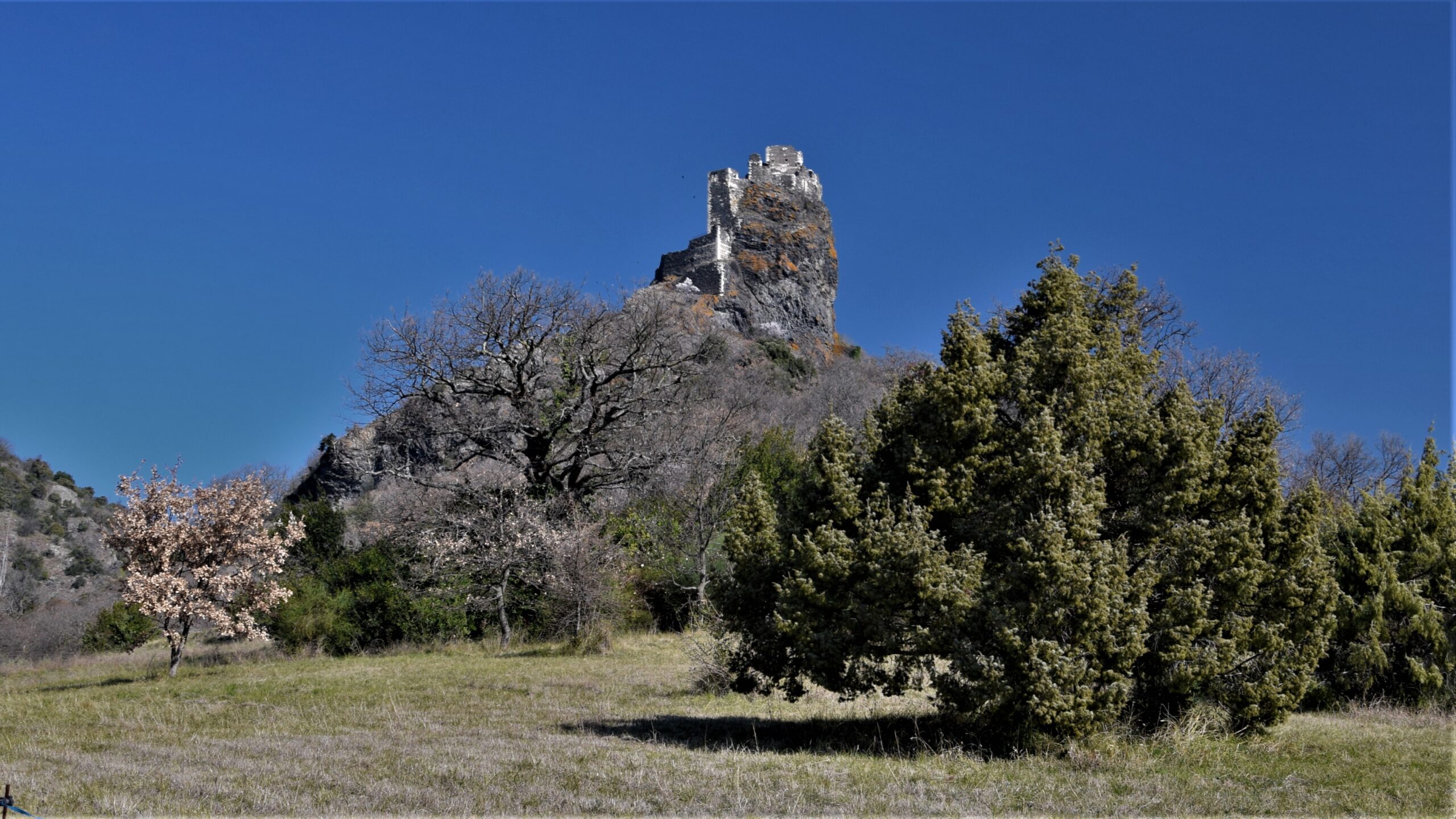
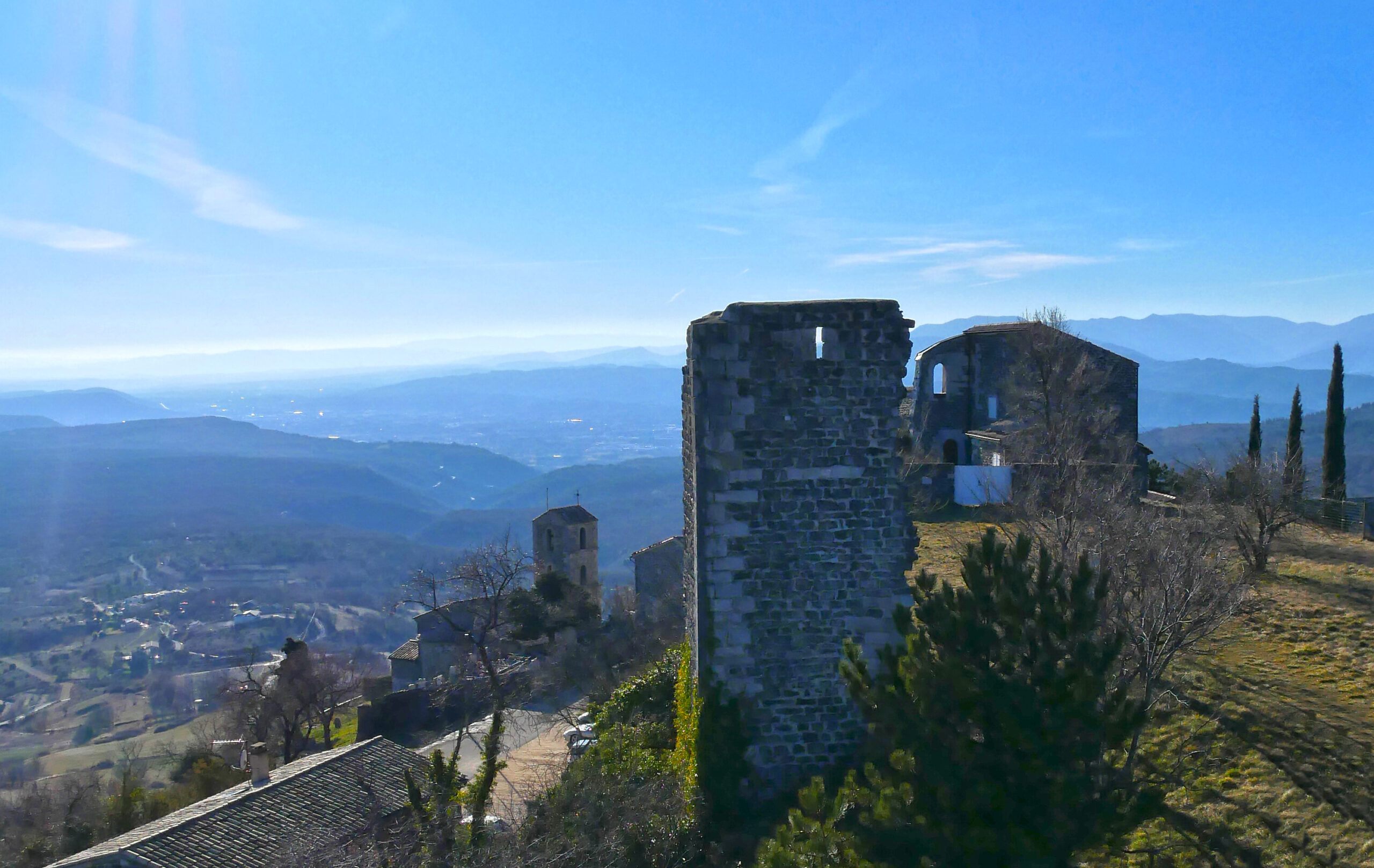
This tower is the only thing that remains of the castle.
This tower is the only thing that remains of the castle.
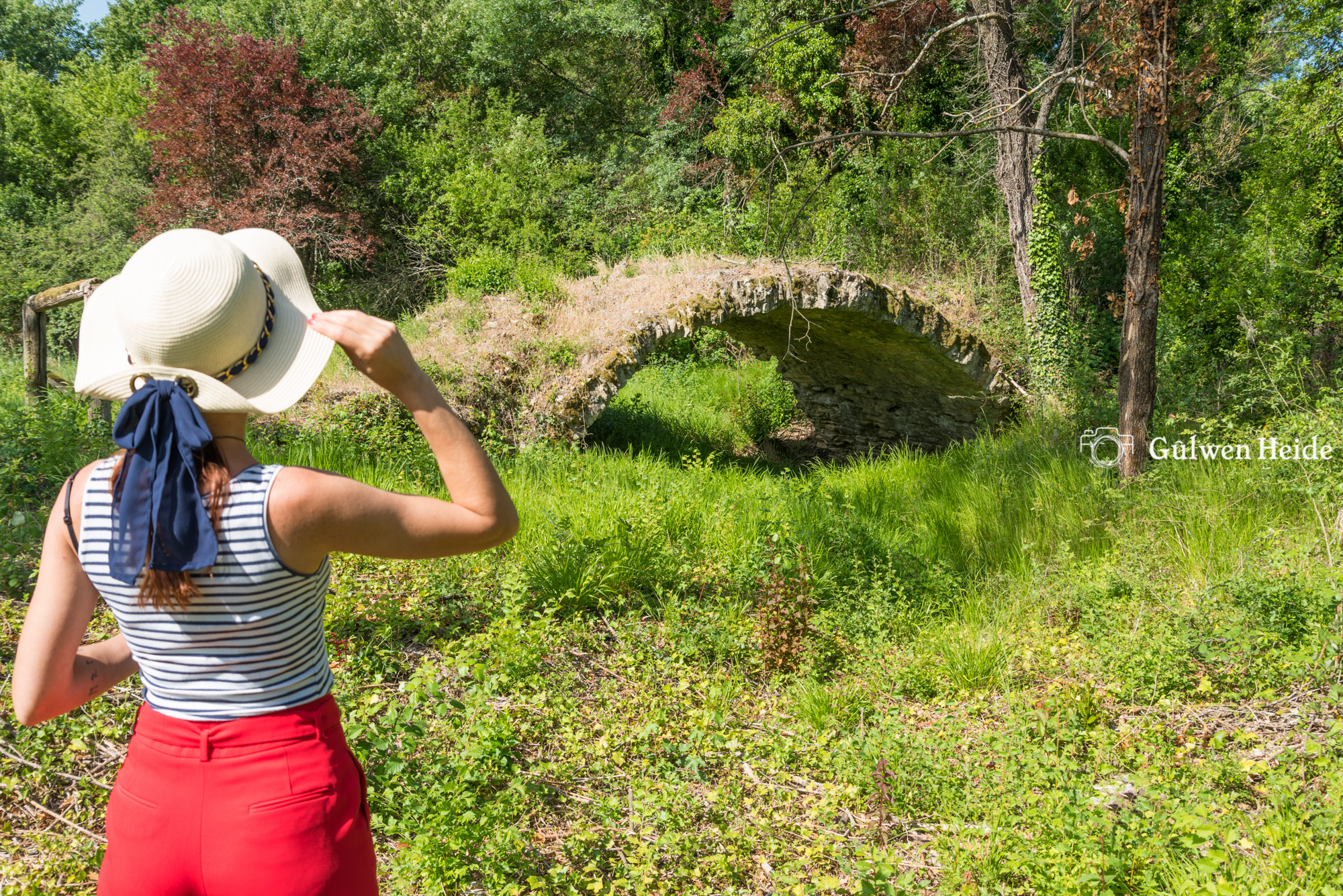
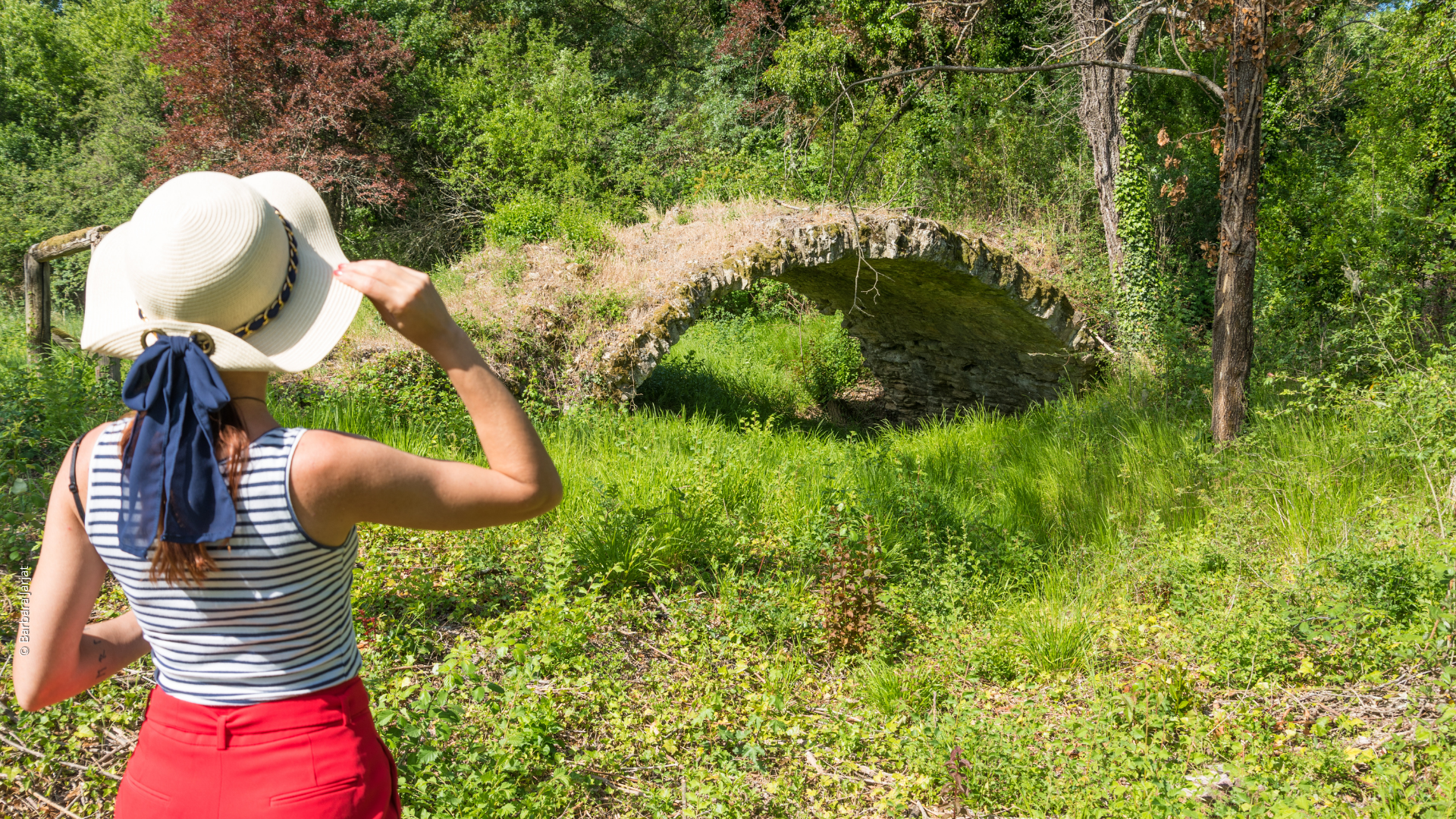
Romans Bridge
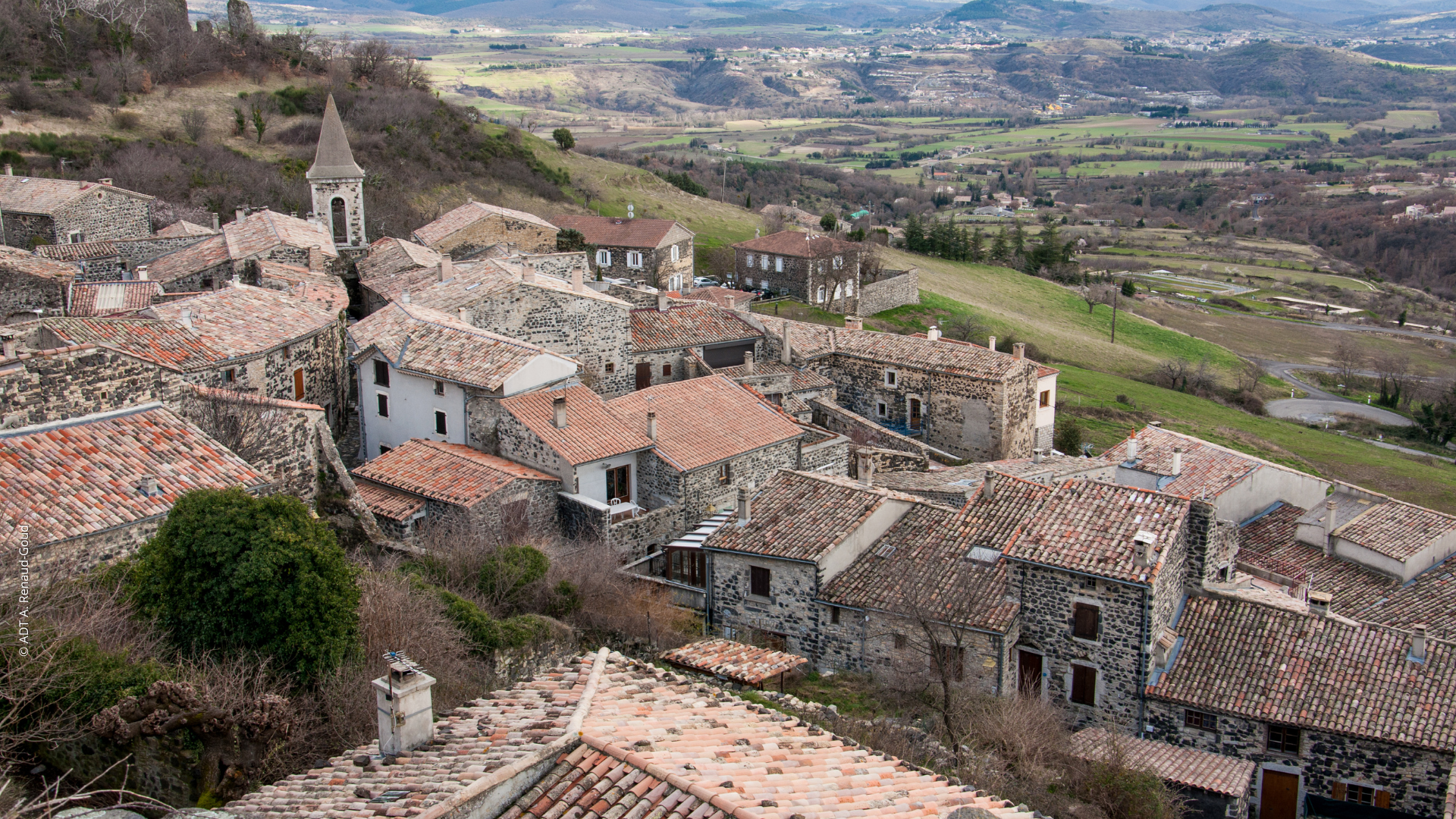
A medieval village with a rich past to discover, and some pre-historic sites that bear witness to its inhabitants due to the number of dolmons scattered throughout the riverbanks of Auzon, St. Germain to Lussas
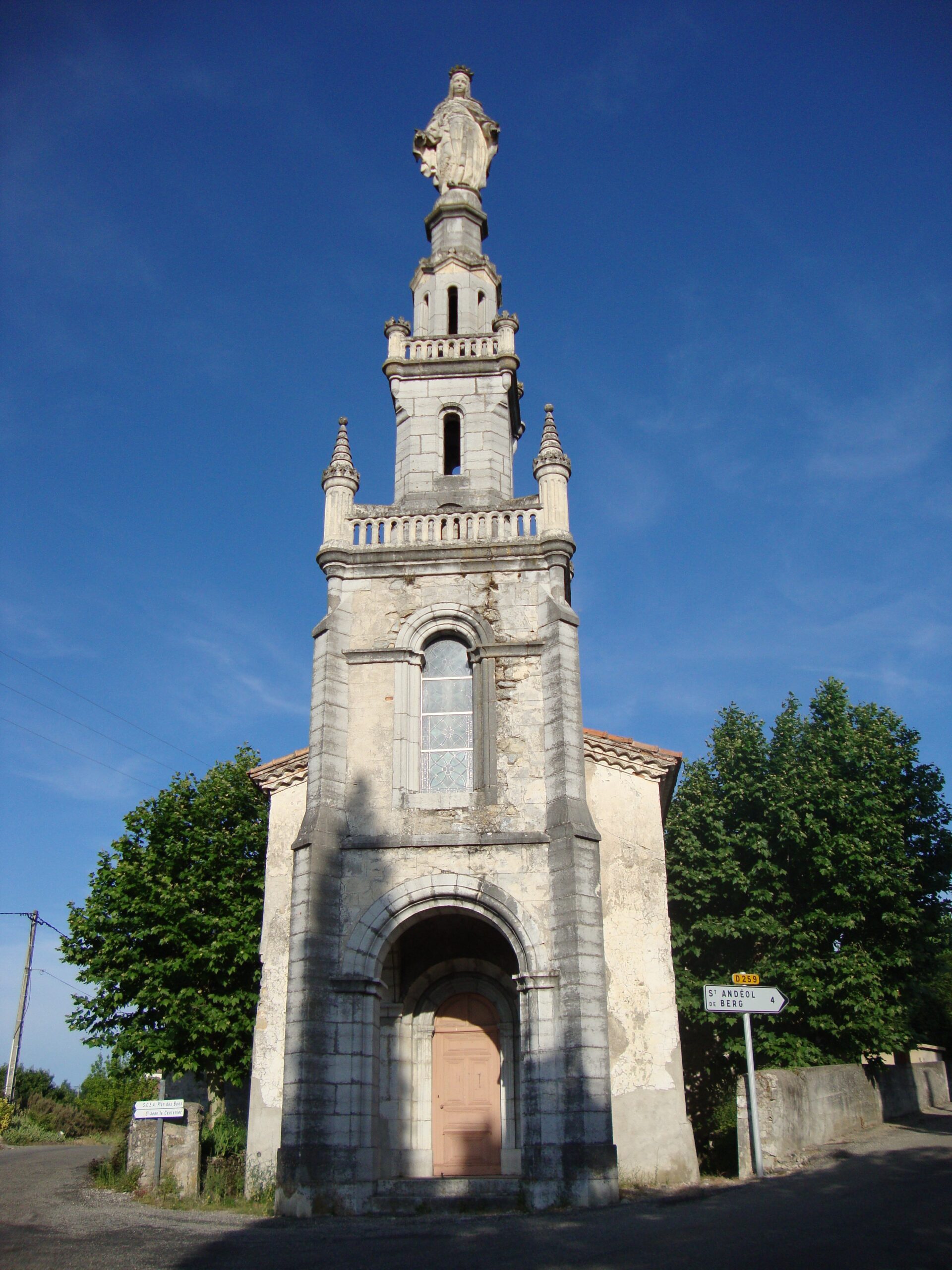
Chapel Notre-Dame du Devois or Notre-Dame des 7 Douleurs.
The first church in Lussas dedicated to Notre Dame was founded in 537, it is one of the 2nd churches that were constructed during the 12th century but destroyed during the 19th century. Therefore, the current church was built not long after that.
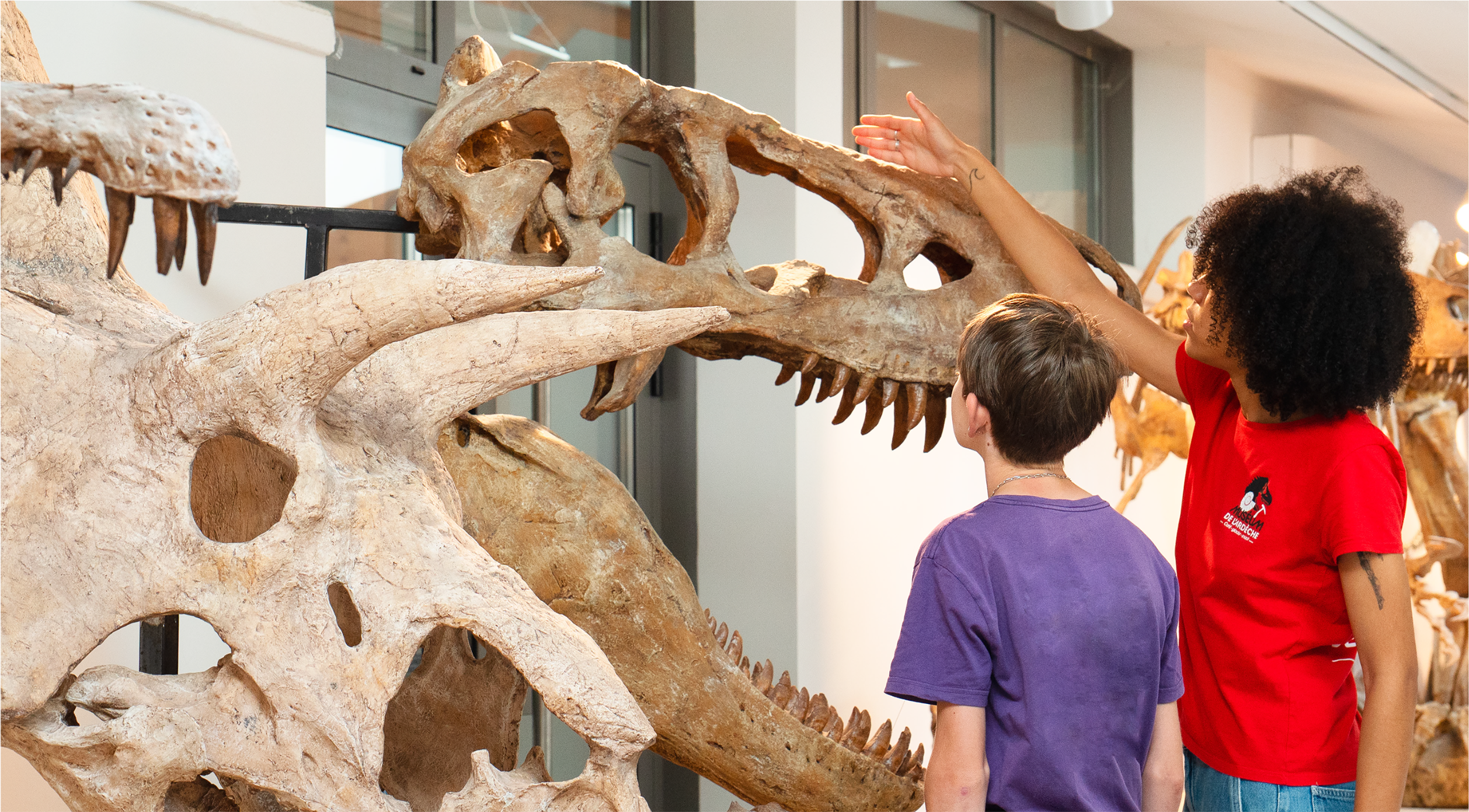
Embark on an unusual 500-million-year journey, where over 600 original fossils tell the story of the rocks and landscapes of the Ardèche. An adventure for the very young, with extractions and a dinosaur gallery!
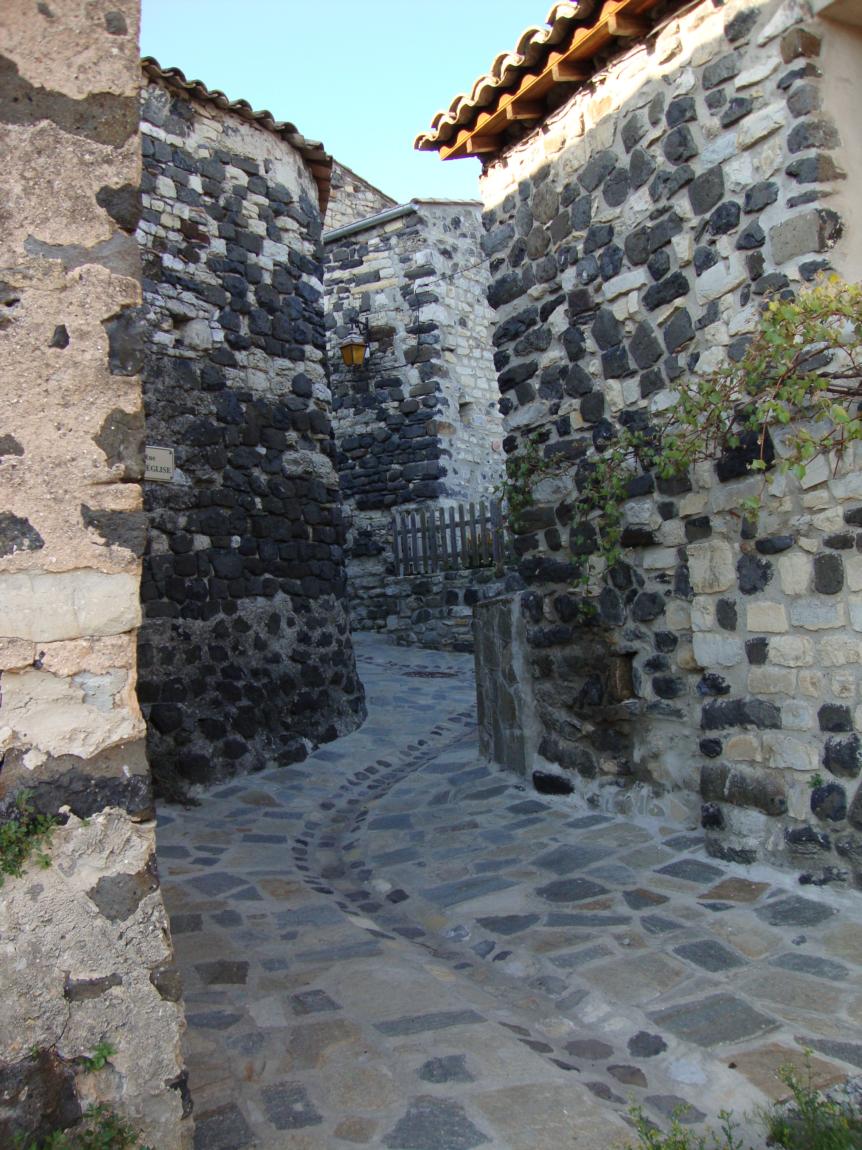
It was the one of the oldest and most important fiefdoms of the Barons of Aps. Located at the foot of the Coiron, the village was fortified by the 14th century. You can imagine the form of the village by tracing the remnants of the defensive wall.
Perched high above the Rhône valley on its volcanic neck, Rochemaure castle has still not yielded all its secrets. It was probably built by the Adhémar family from Montélimar between the 11th and 12th centuries. The old village is well worth a visit and offers marvellous views over the river.
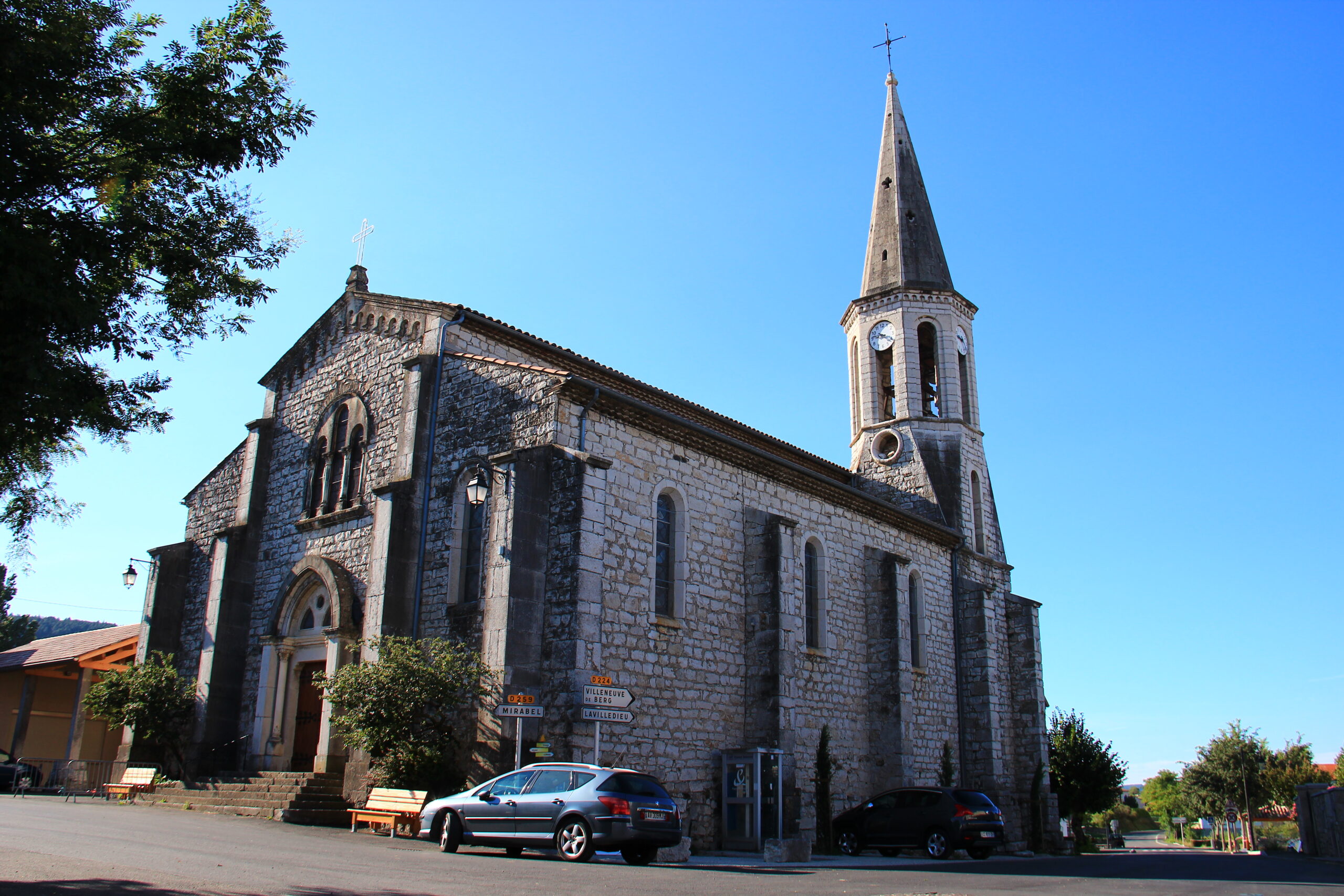
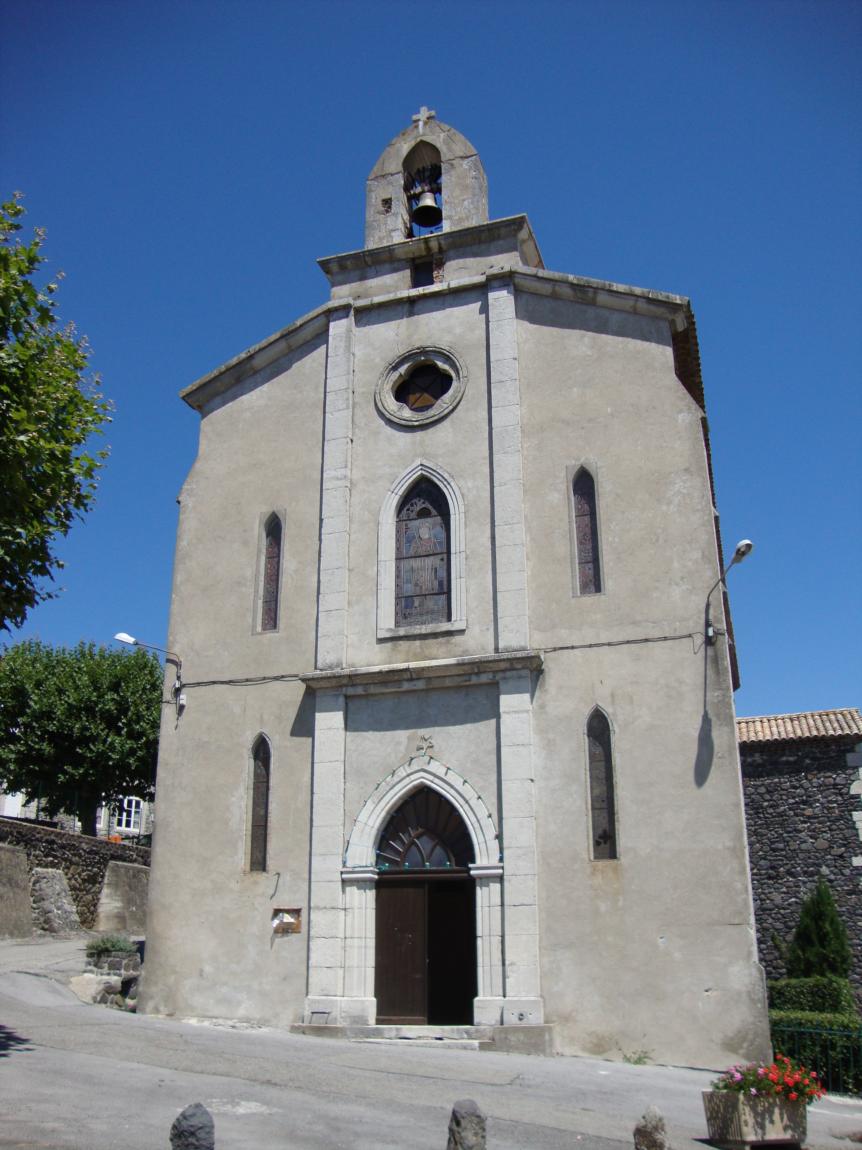
Neogothic church from de 19th century. It is dedicates to Saint Accons, bishop of Viviers during the 8th century. The village bore his name for a long time.
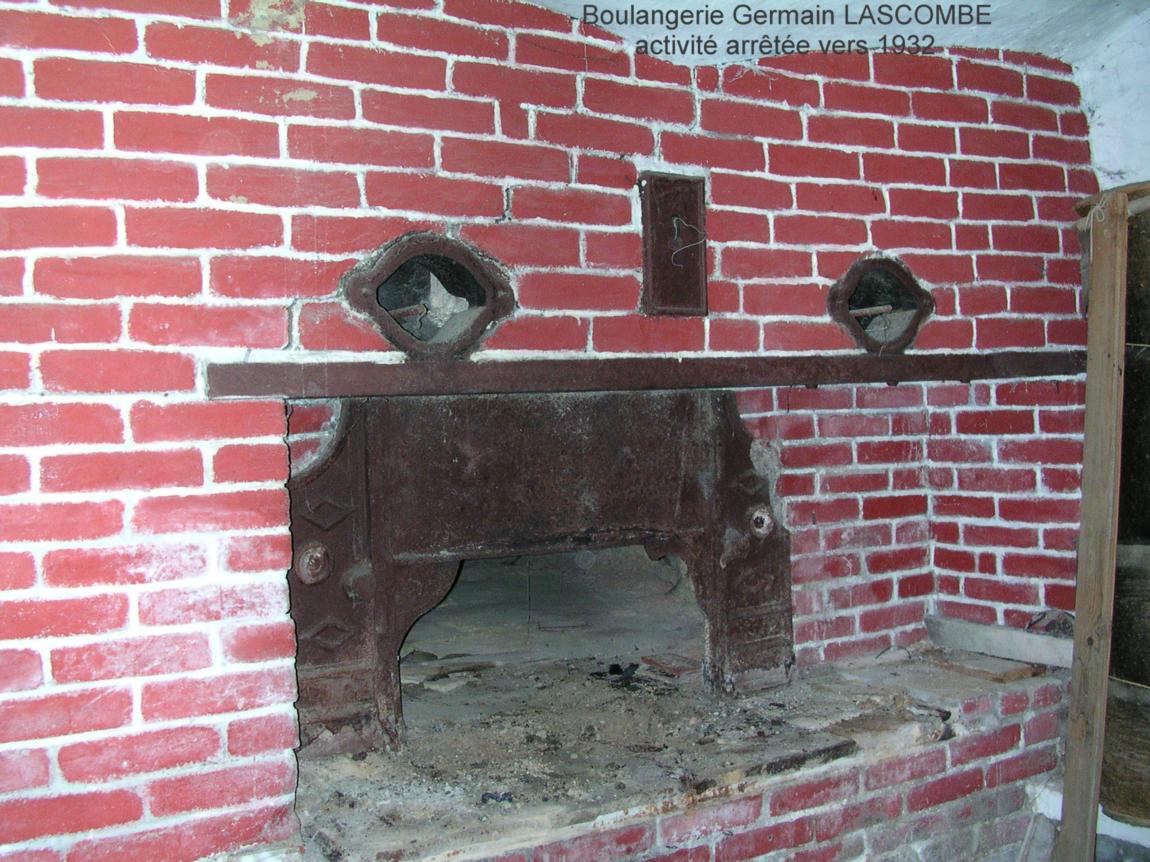
Saint-Maurice-d'Ibie possesses a lot of treasures like older bread ovens: Condamine Trois Gros, communal, Eldin and from Séveniers House.