Tour de Marnas
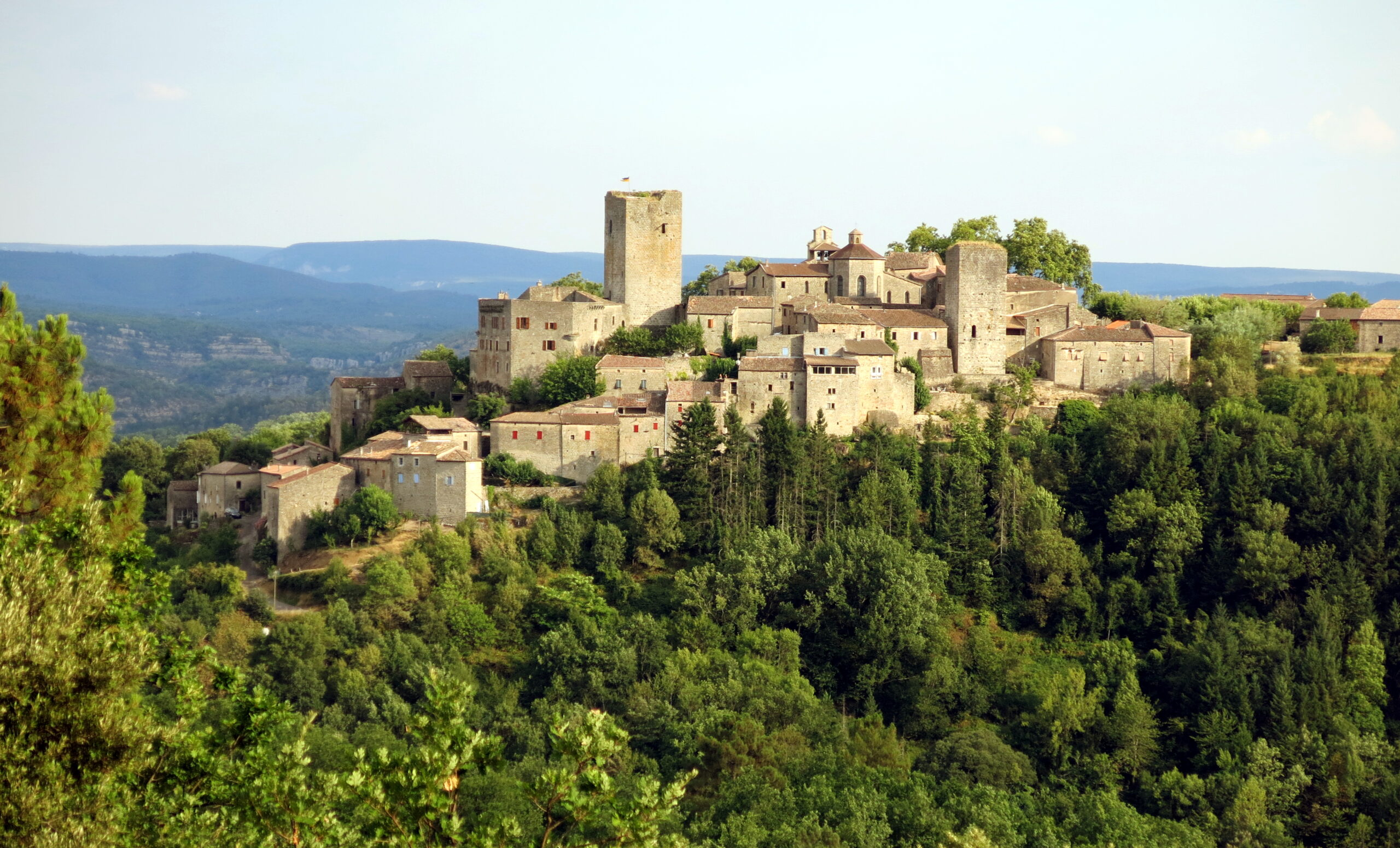
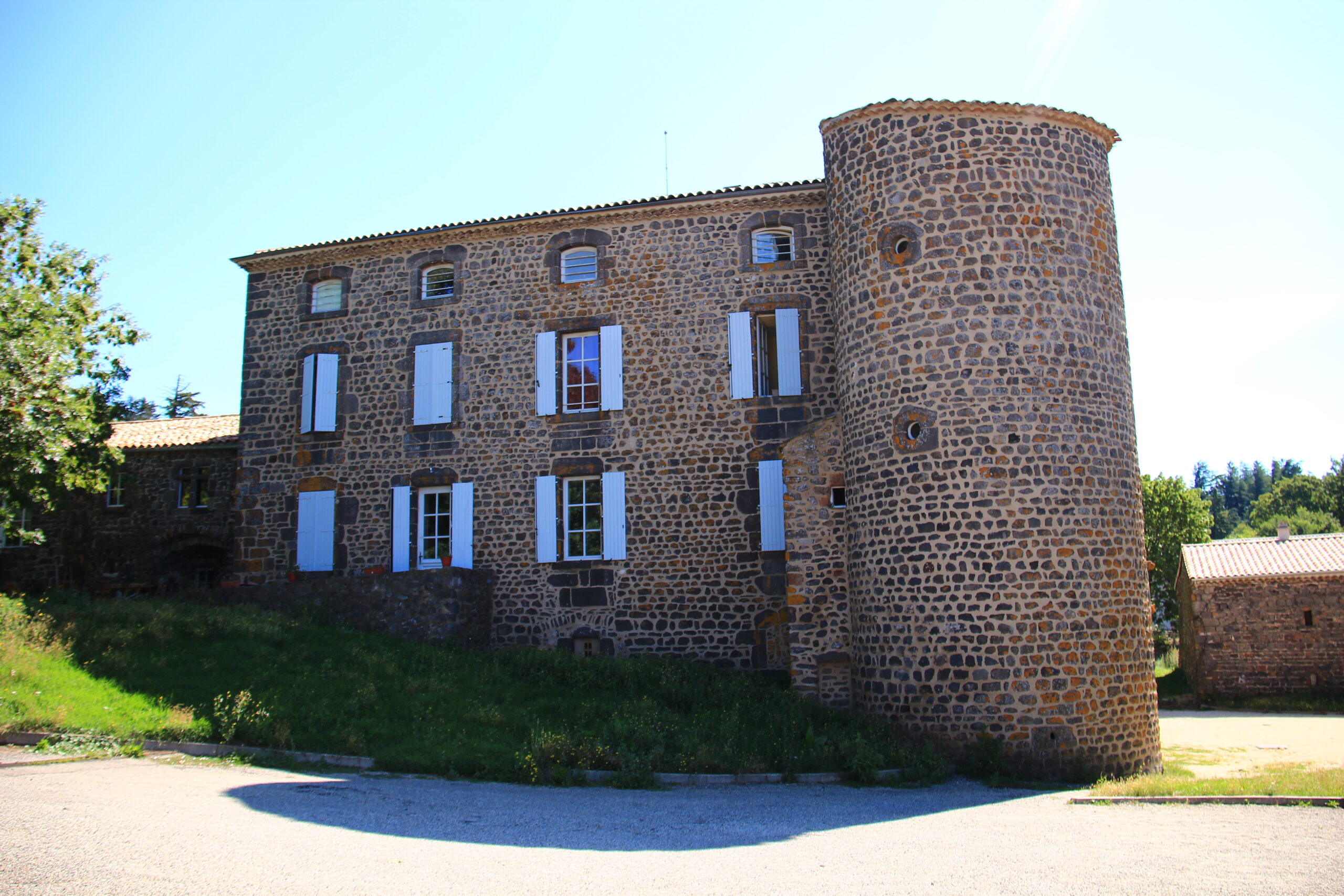
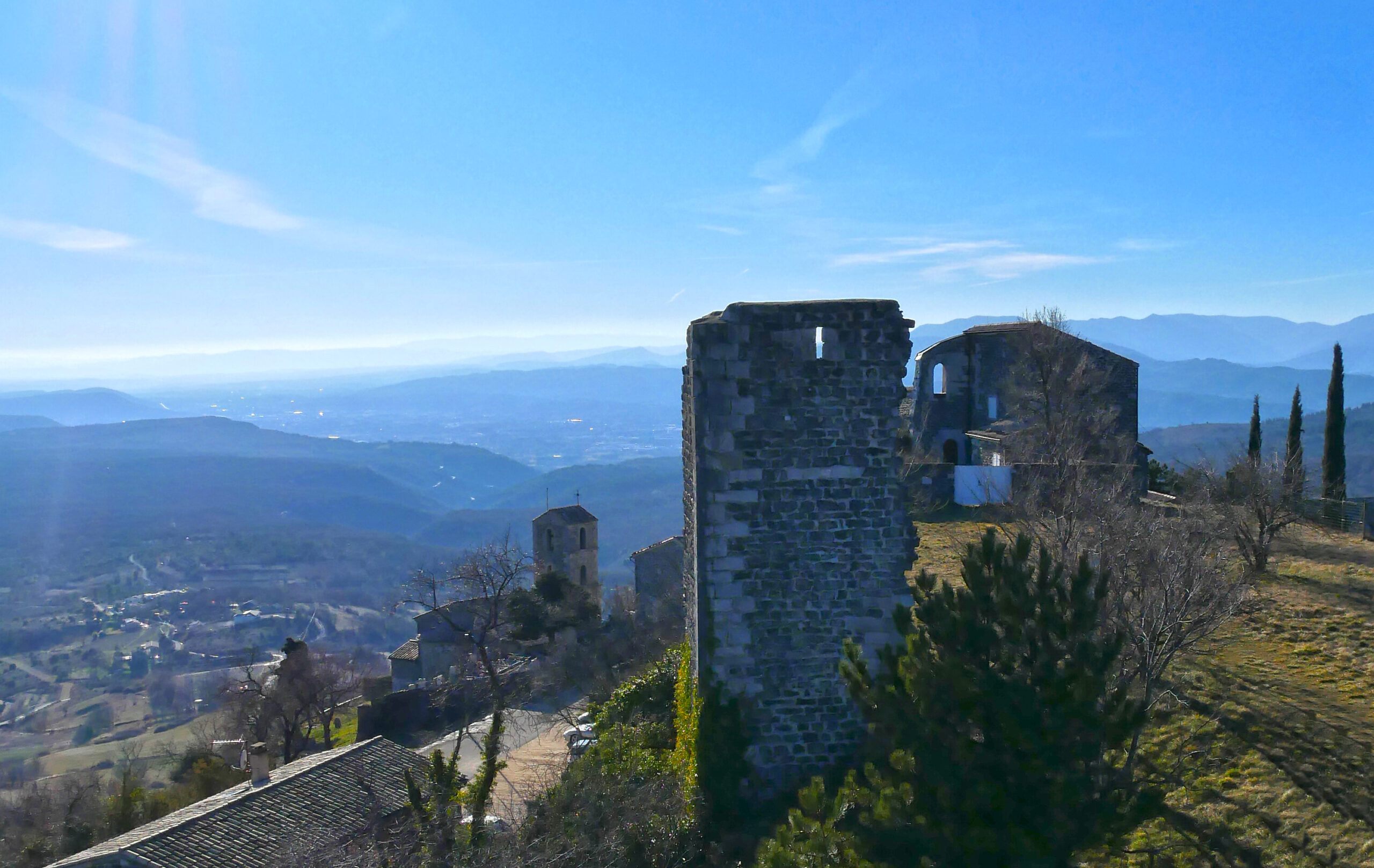
This tower is the only thing that remains of the castle.
This tower is the only thing that remains of the castle.
This castle’s medieval and renaissance architecture is unique to the area. It is open to the public all year long except in February. During the summer there are guided tours and medieval activities. Documentation in English.
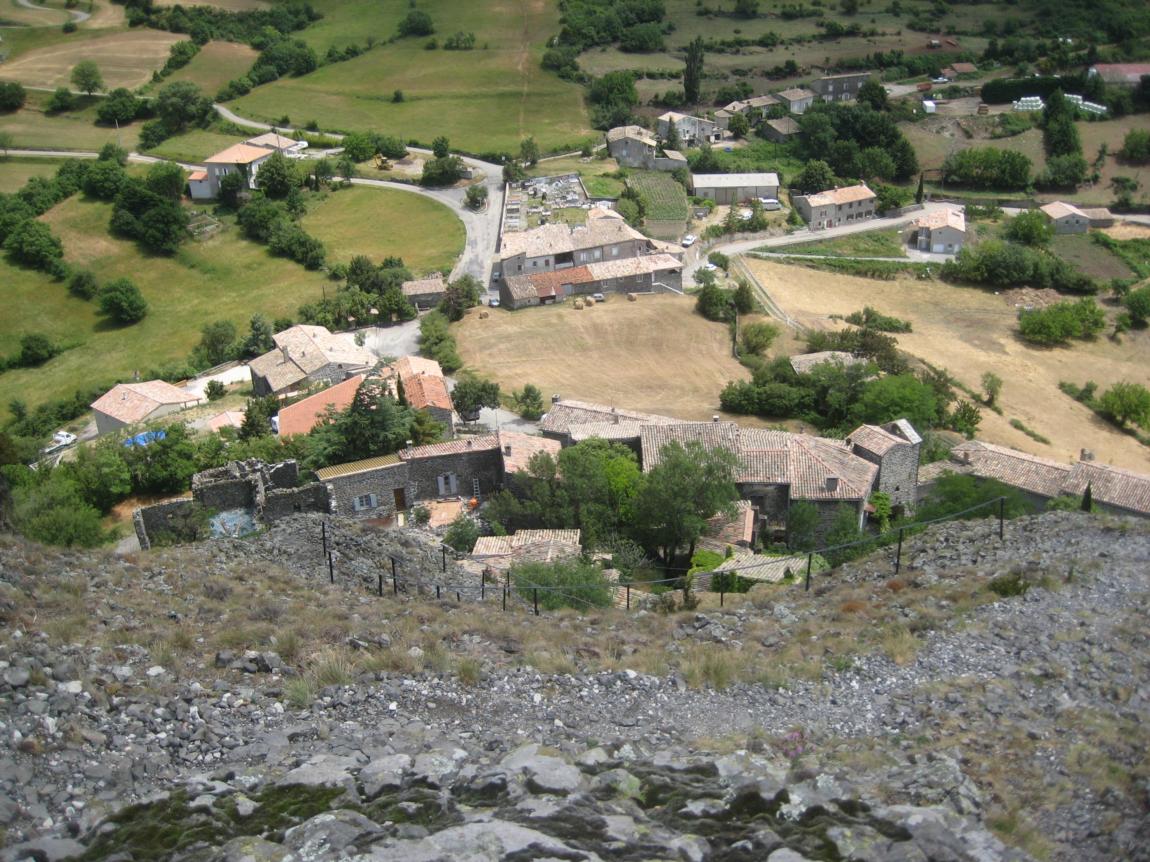
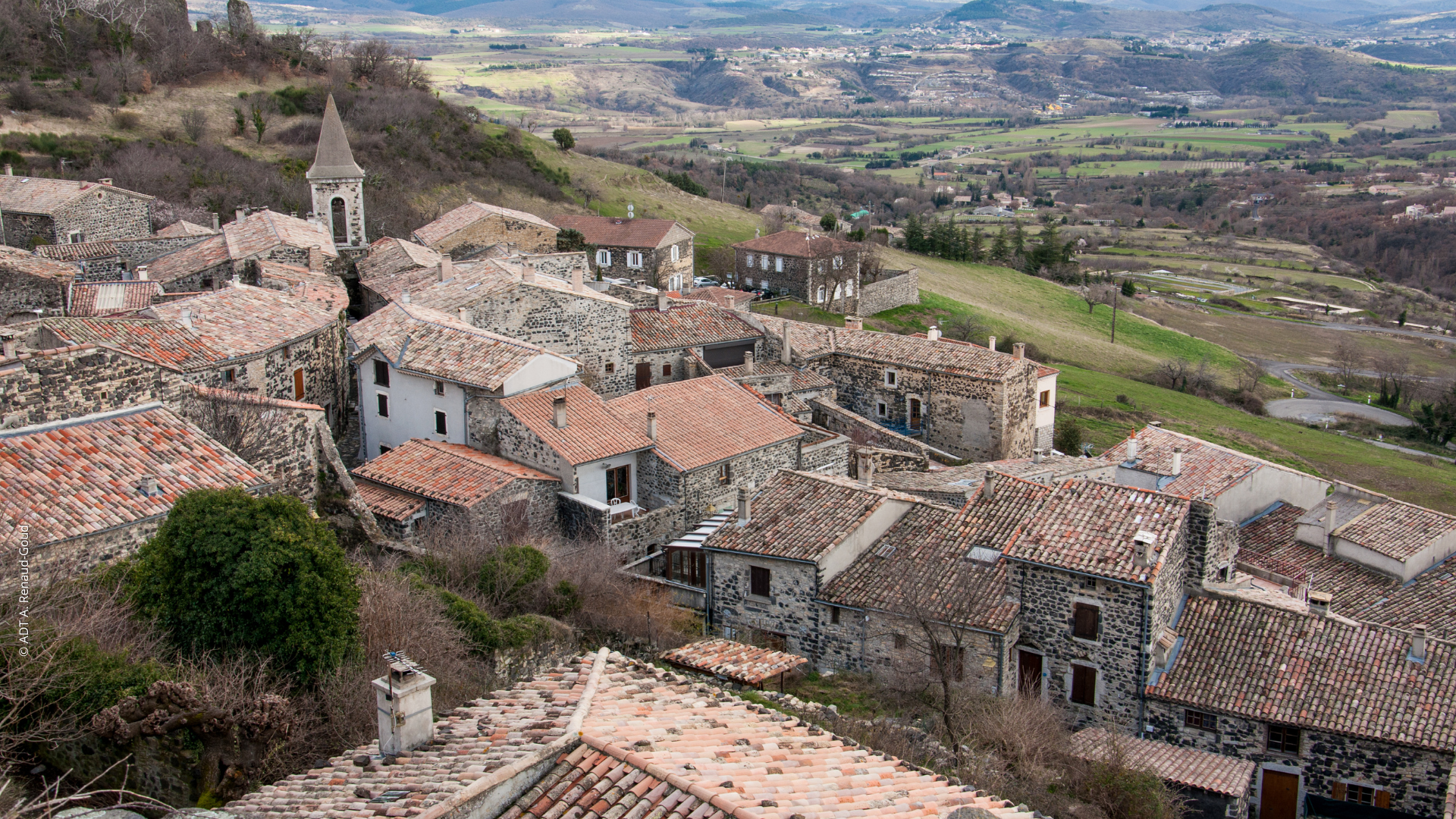
At the foot of the Coiron can be seen a basalt "neck" (mass of volcanic rock), which is surely one of the largest in Europe. In the village remains of its medieval age can be seen on its fortified gate.
Discover 16th-century agriculture through the writings of Olivier de Serres, an emblematic figure of modern agronomy.
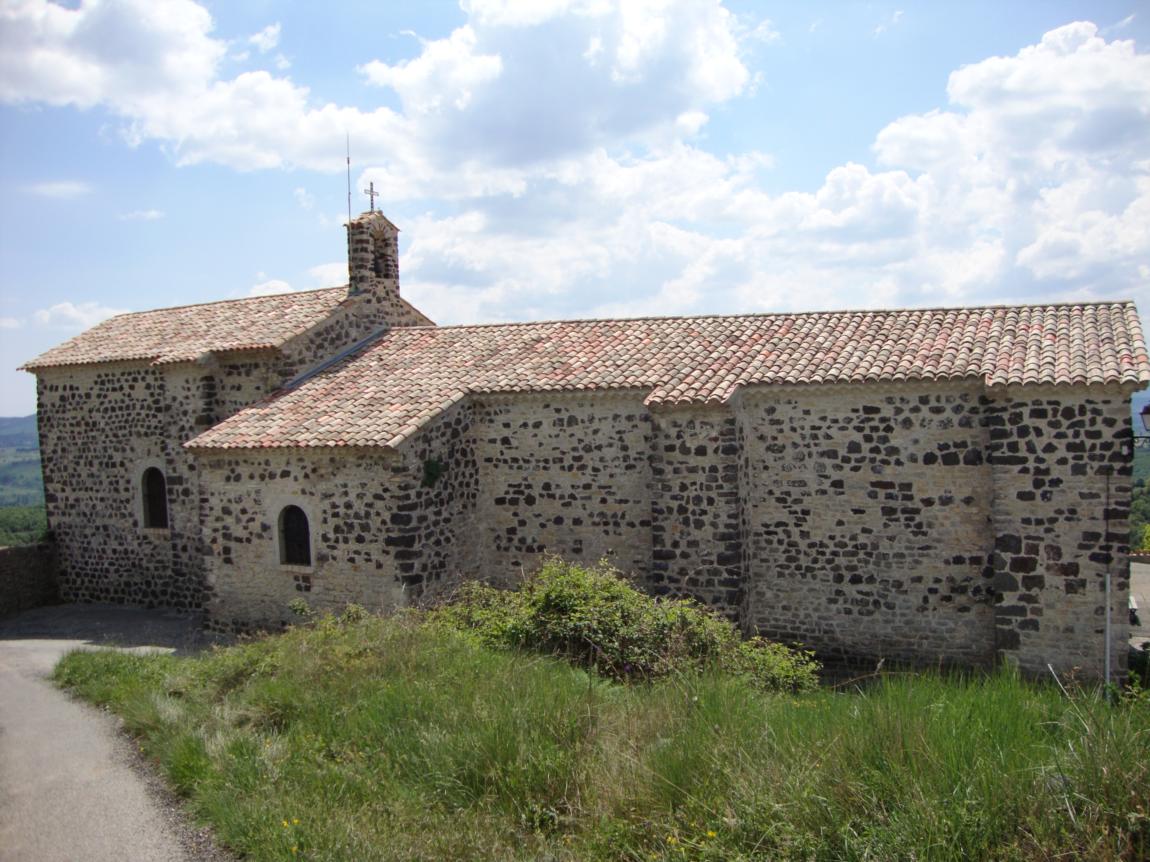
Parish church dating from the end of the 13th century and rebuilt at the end of the 19th century.
The church of St. Etienne located at the end of the village was constructed during the latter part of the 12th century and may have been built on an earlier structure which has been referred to in writings as of 950AD.
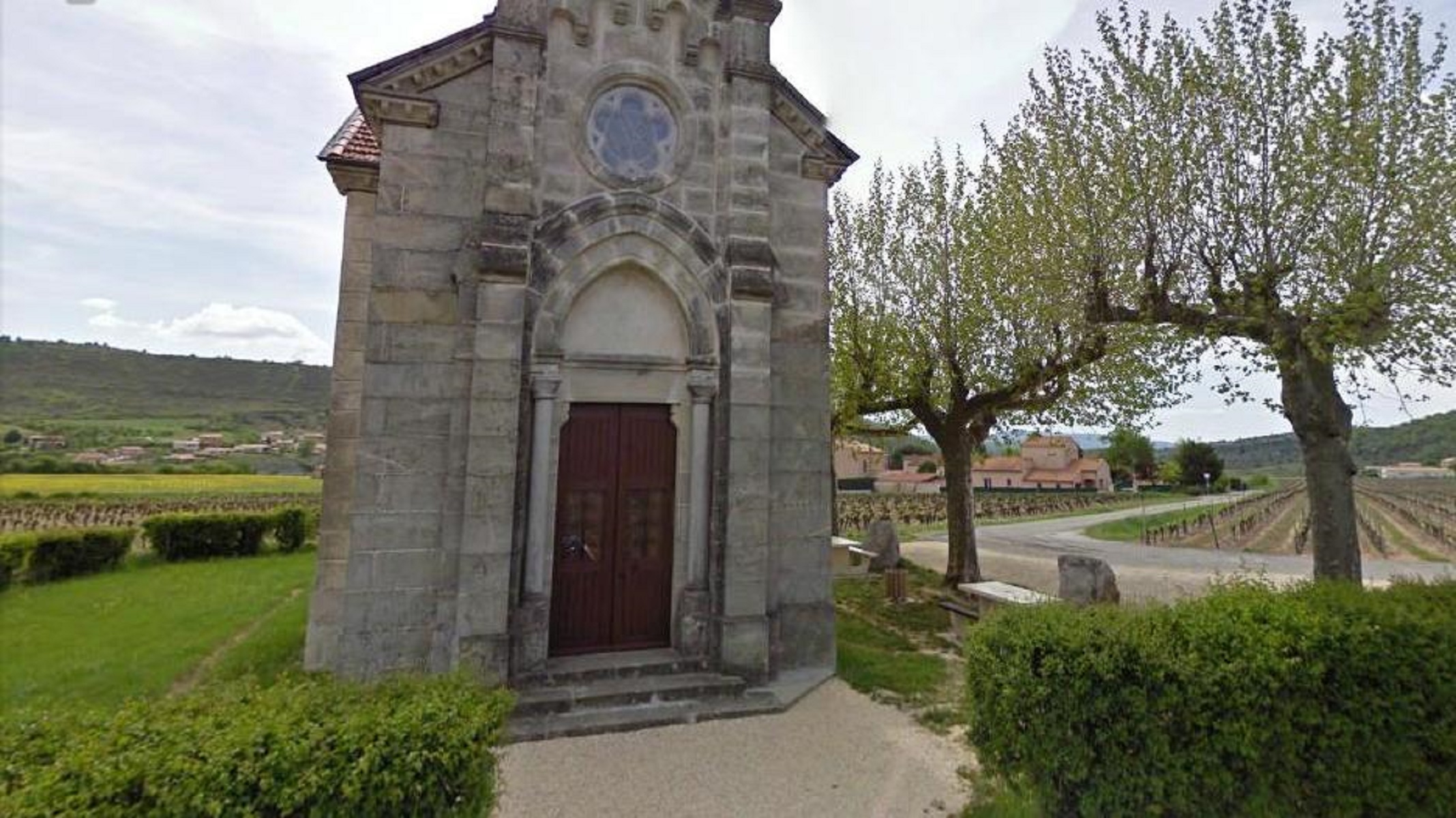
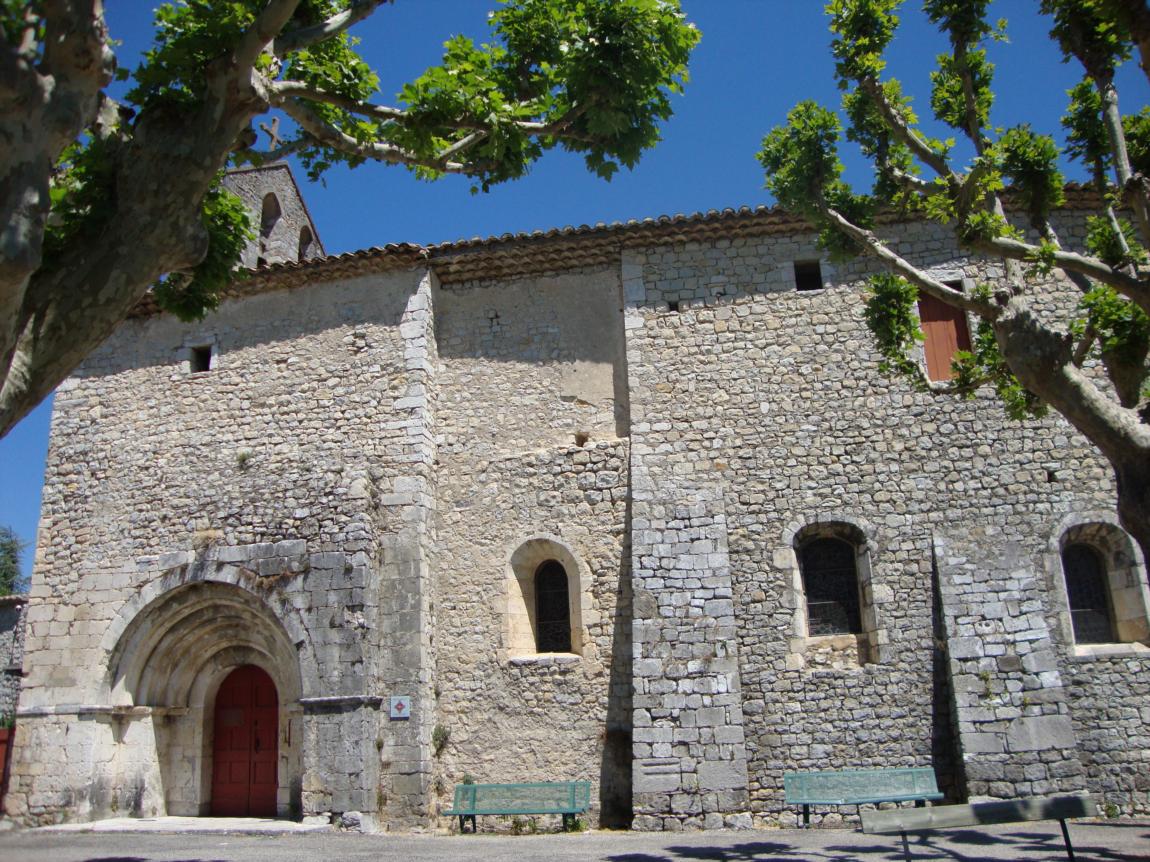
This church was constructed by the Benedictine monks of Conques. The Roman style entrance way dates the 12th century.
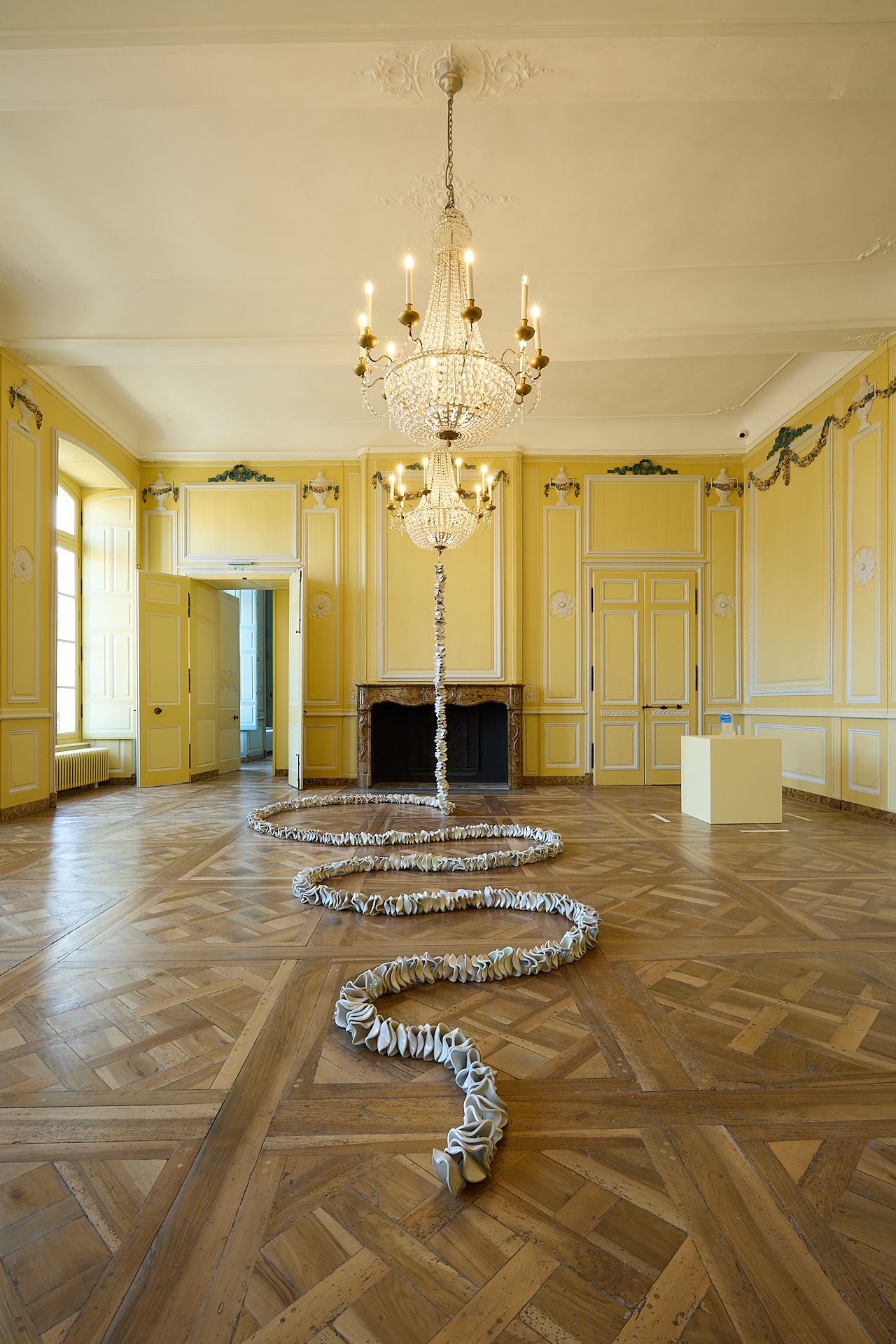
After seven years of renovation, Le Château became a Centre for Contemporary Art and Heritage in 2024. This prestigious site in the south of France invites you to discover its restored spaces through exhibitions, tours, workshops and events.
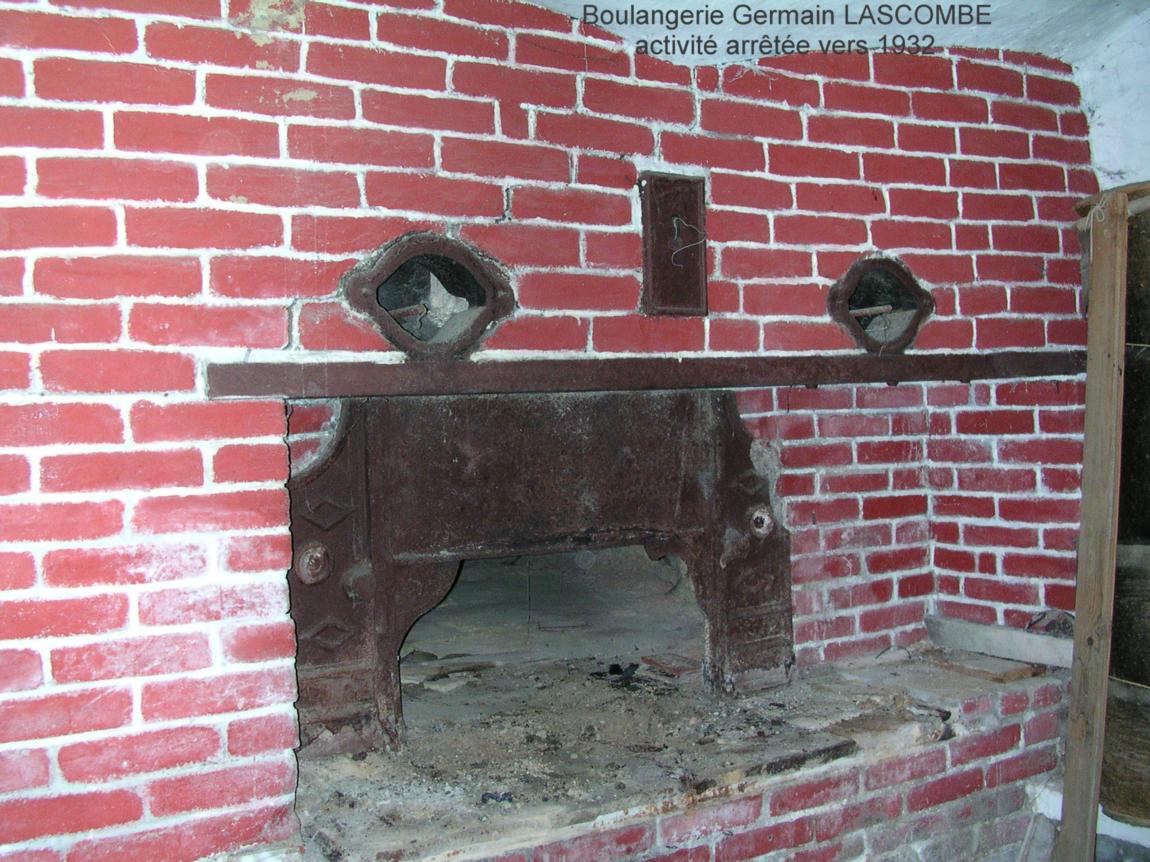
Saint-Maurice-d'Ibie possesses a lot of treasures like older bread ovens: Condamine Trois Gros, communal, Eldin and from Séveniers House.
It is a unique fortified castle on the Coiron plateau. It is constructed by basalt rock and was also used for agriculture. No public visits permitted.