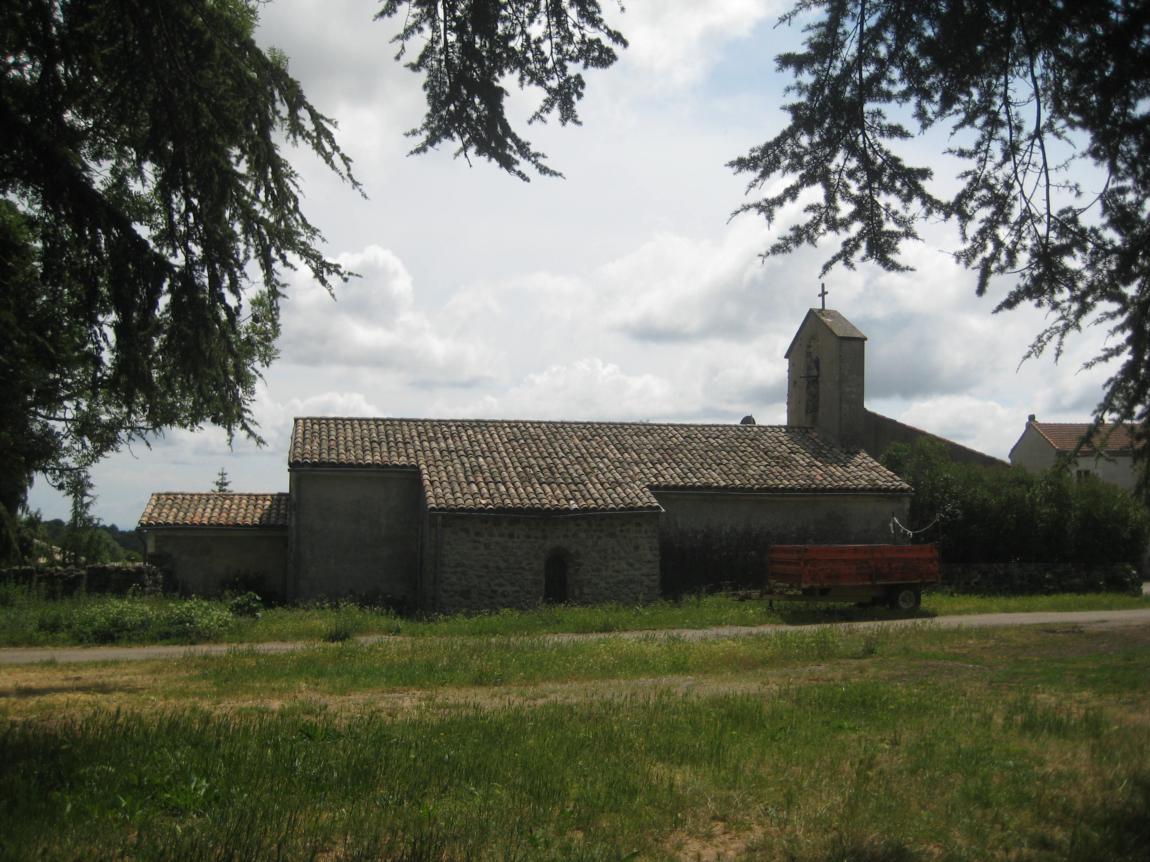
Church Saint Pierre of Berzème
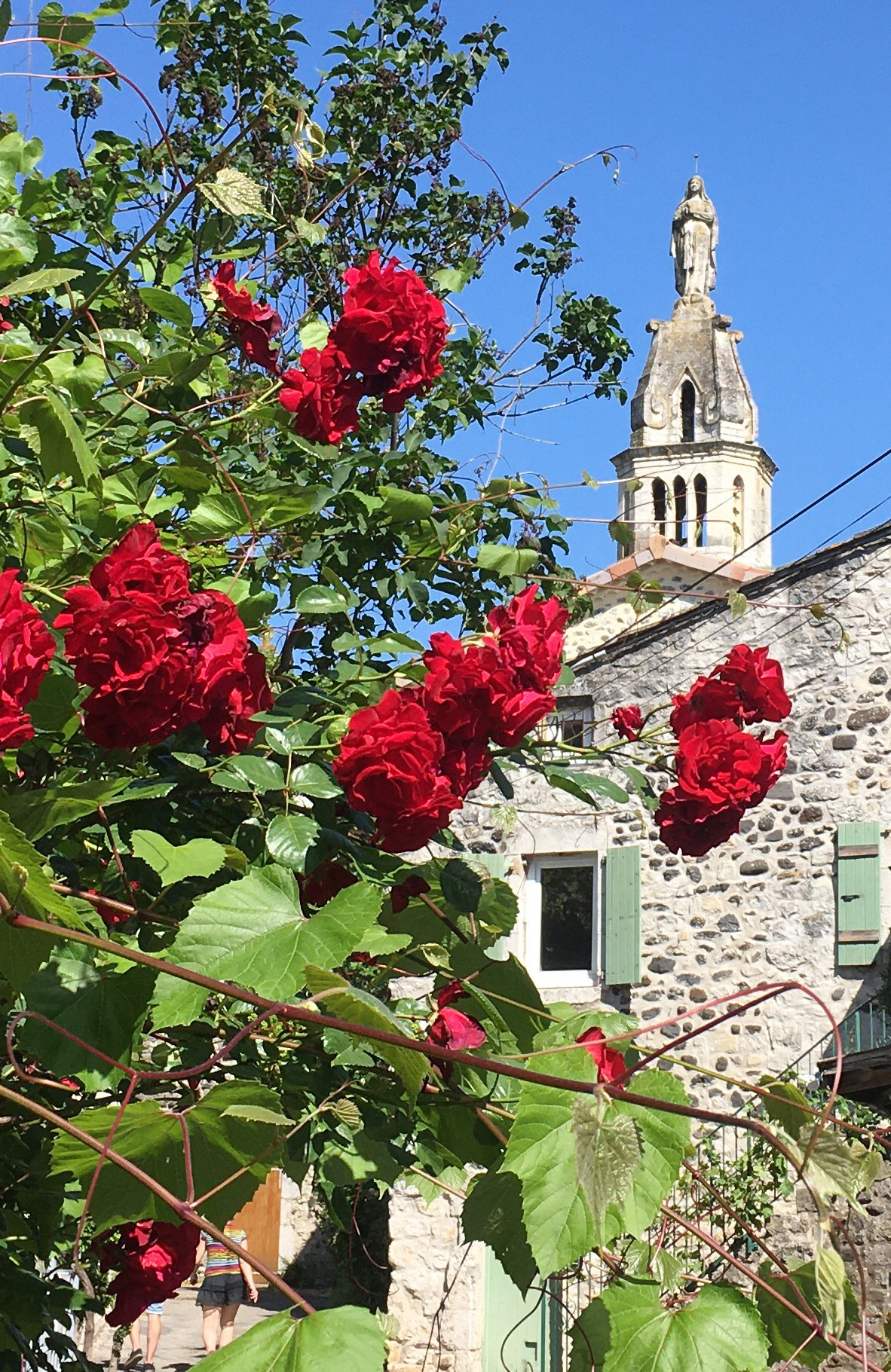
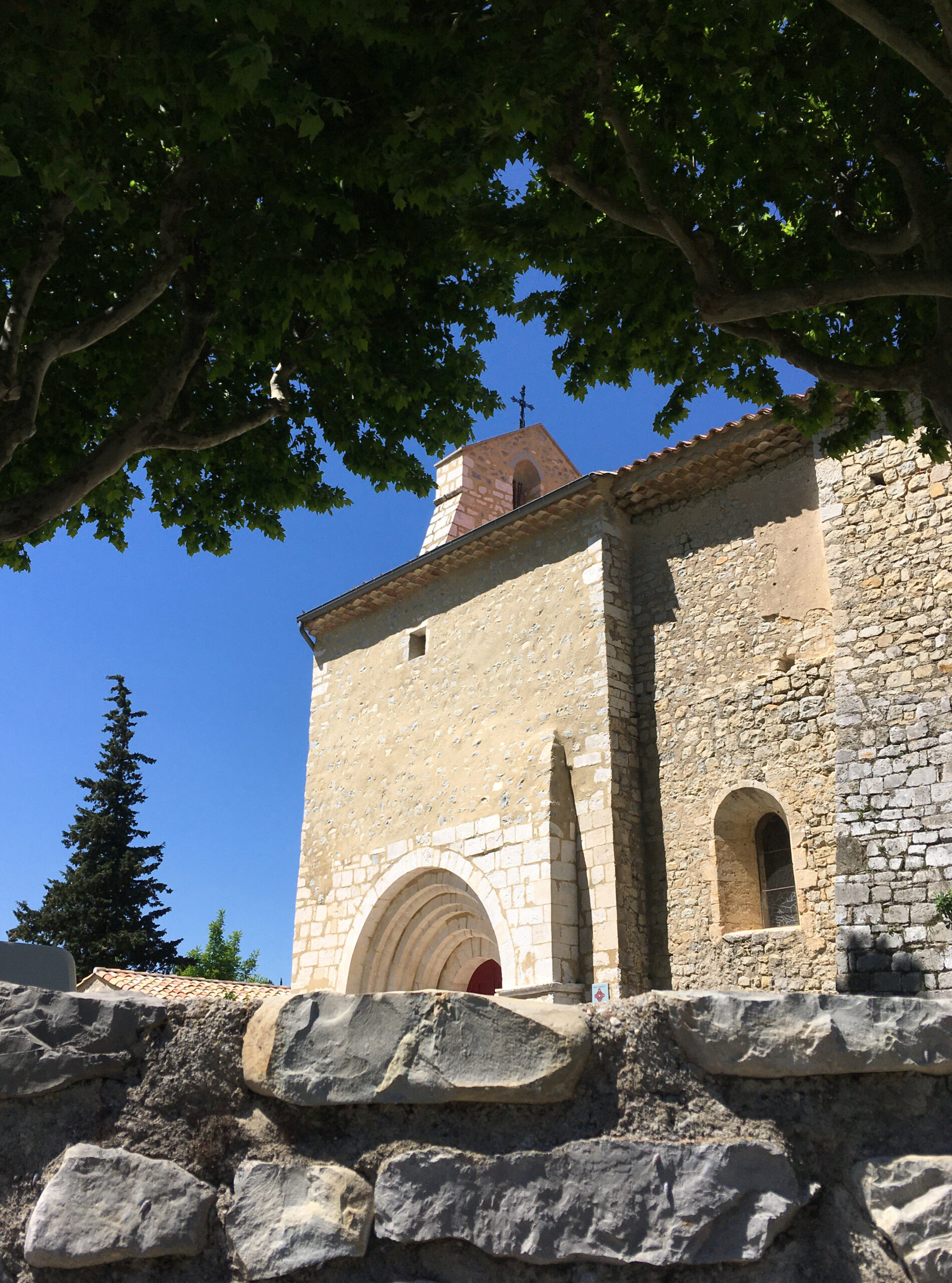
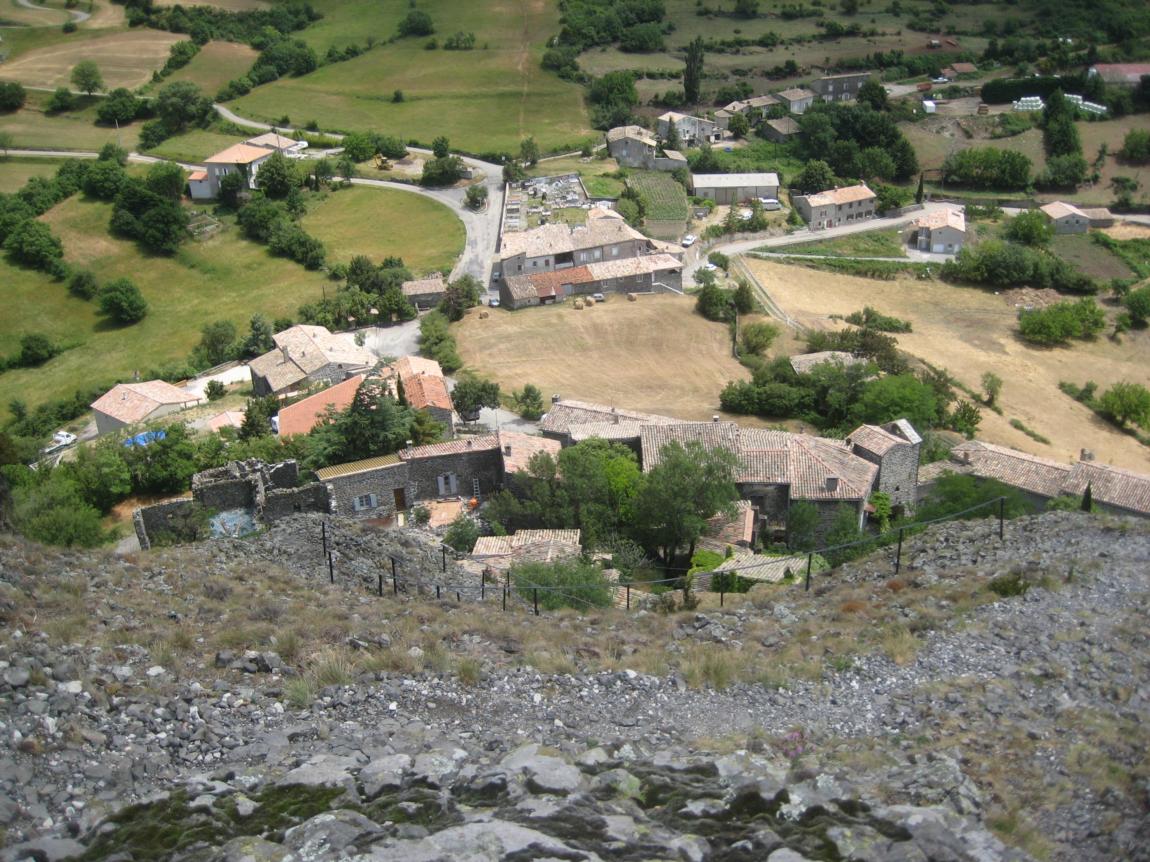
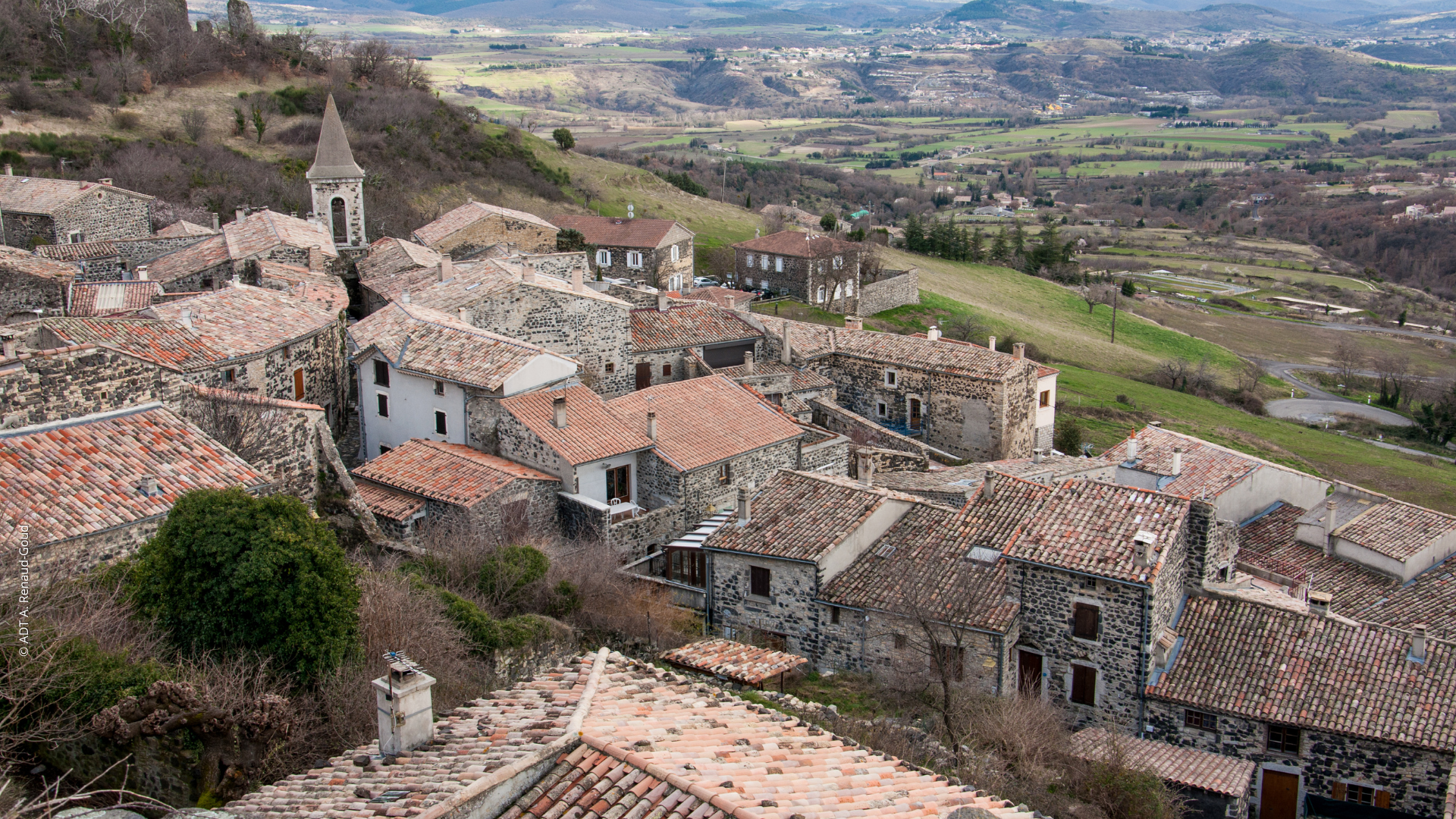
The church of Berzème appears as soon as 1170. It is a Romanesque church with a wooden bell from the 18th century.
The church of Berzème appears as soon as 1170. It is a Romanesque church with a wooden bell from the 18th century.
A medieval village with a rich past to discover, and some pre-historic sites that bear witness to its inhabitants due to the number of dolmons scattered throughout the riverbanks of Auzon, St. Germain to Lussas
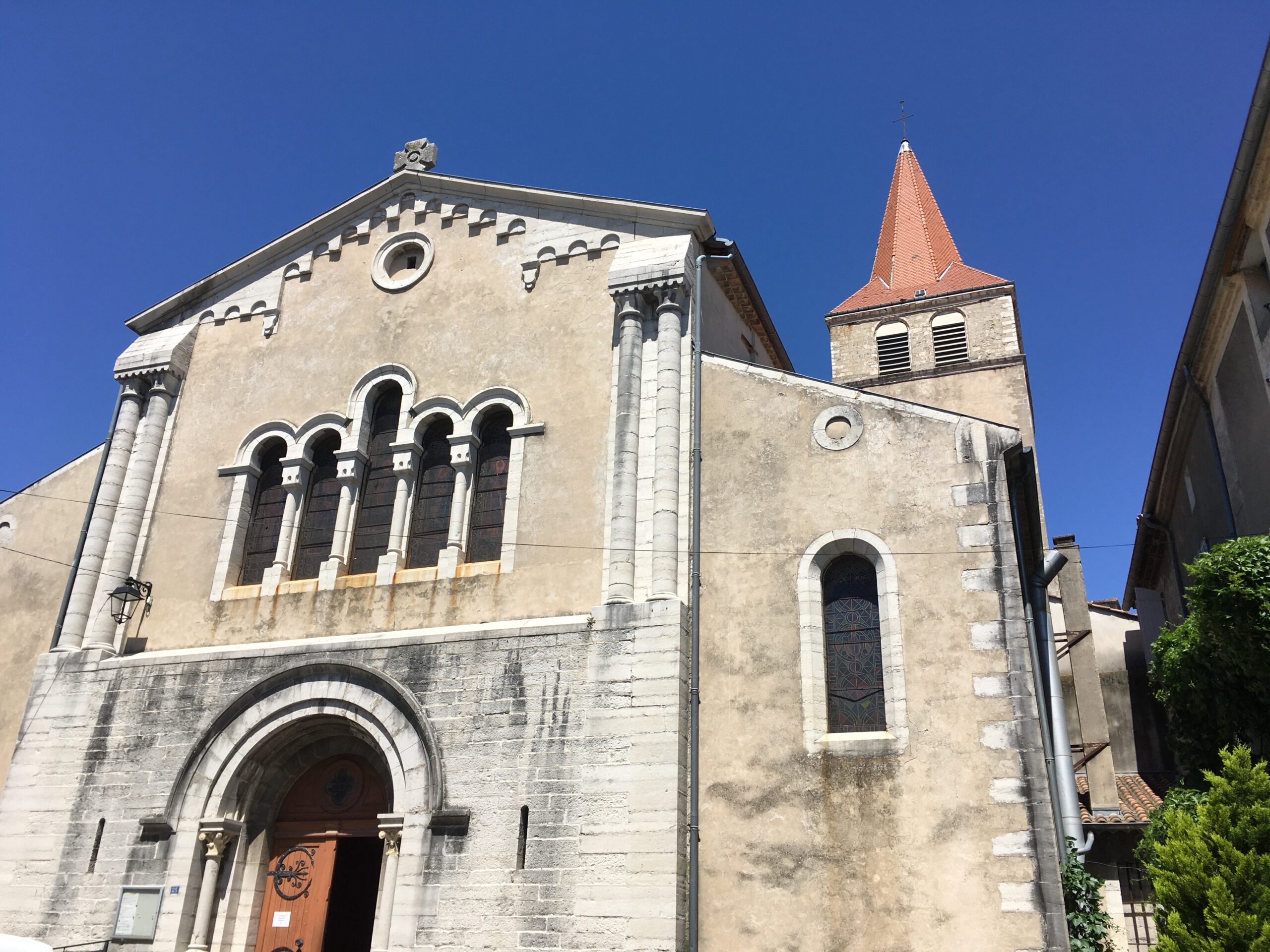
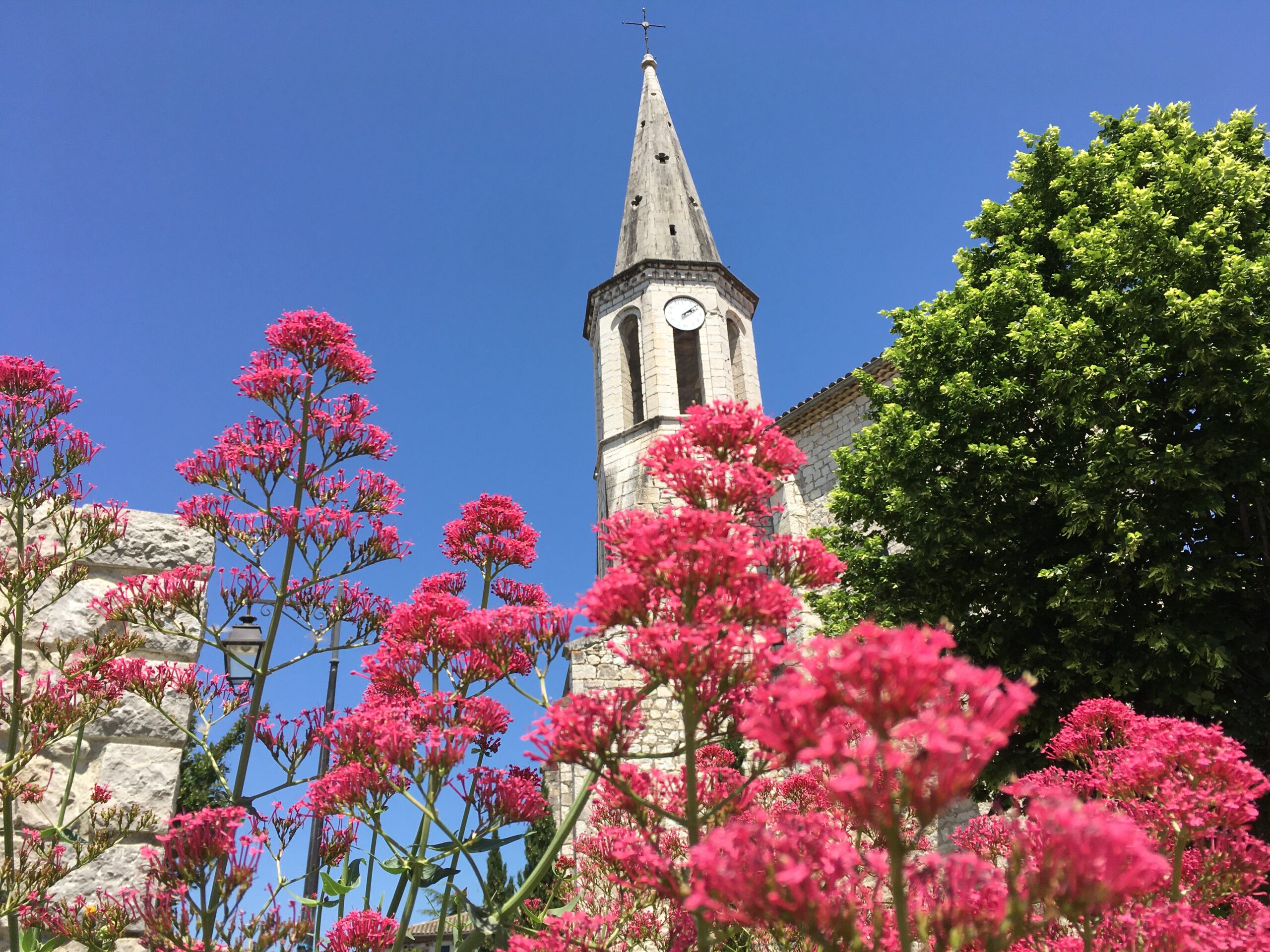
Parish church dating from the end of the 13th century and rebuilt at the end of the 19th century.
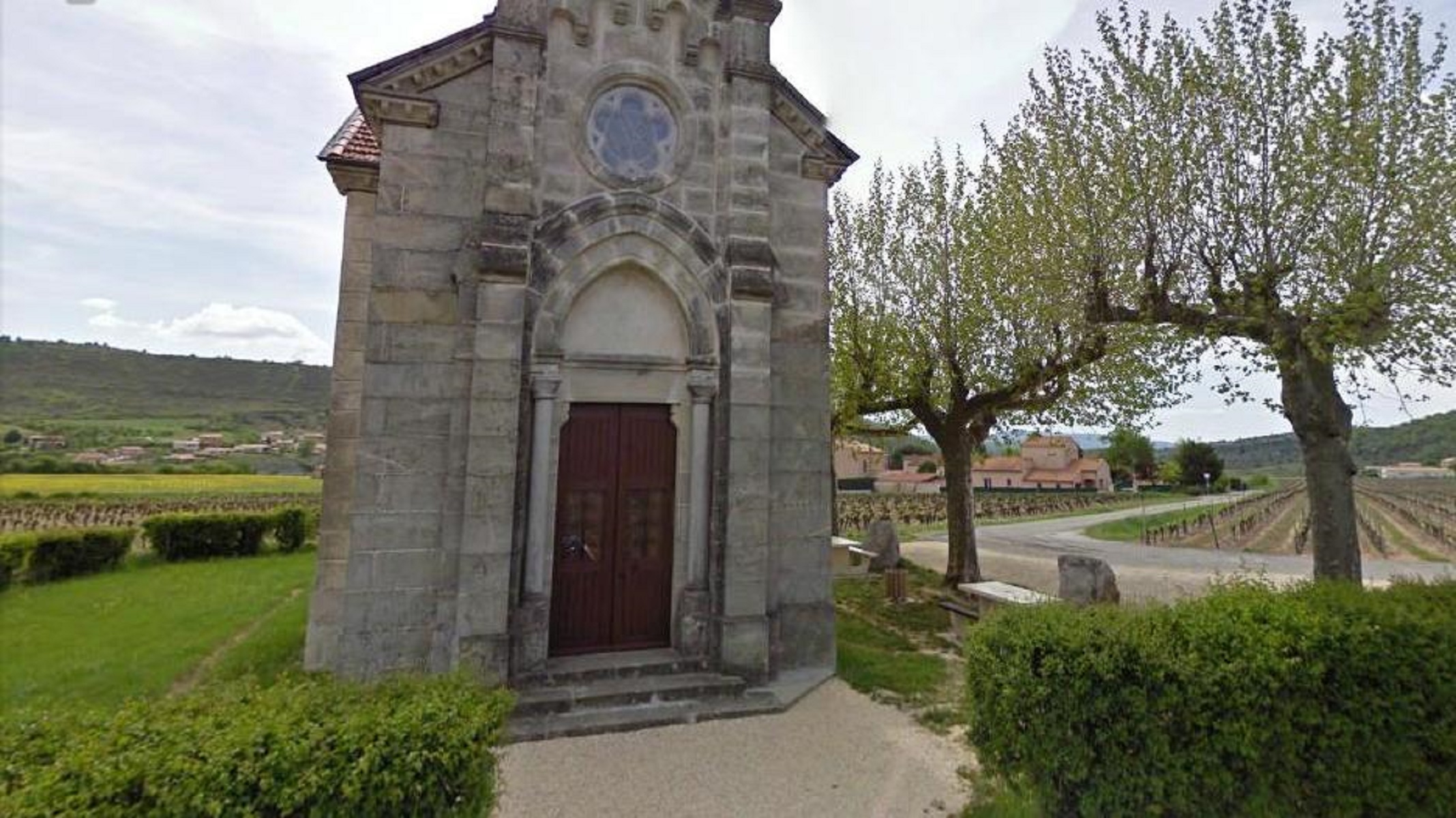
The chapel, coil up on a neck, has been built during the XIXth century to fight against the phylloxera (vineyards illness). In the future: laying out of the interior of the chapel, extension for the crossroads and parking.
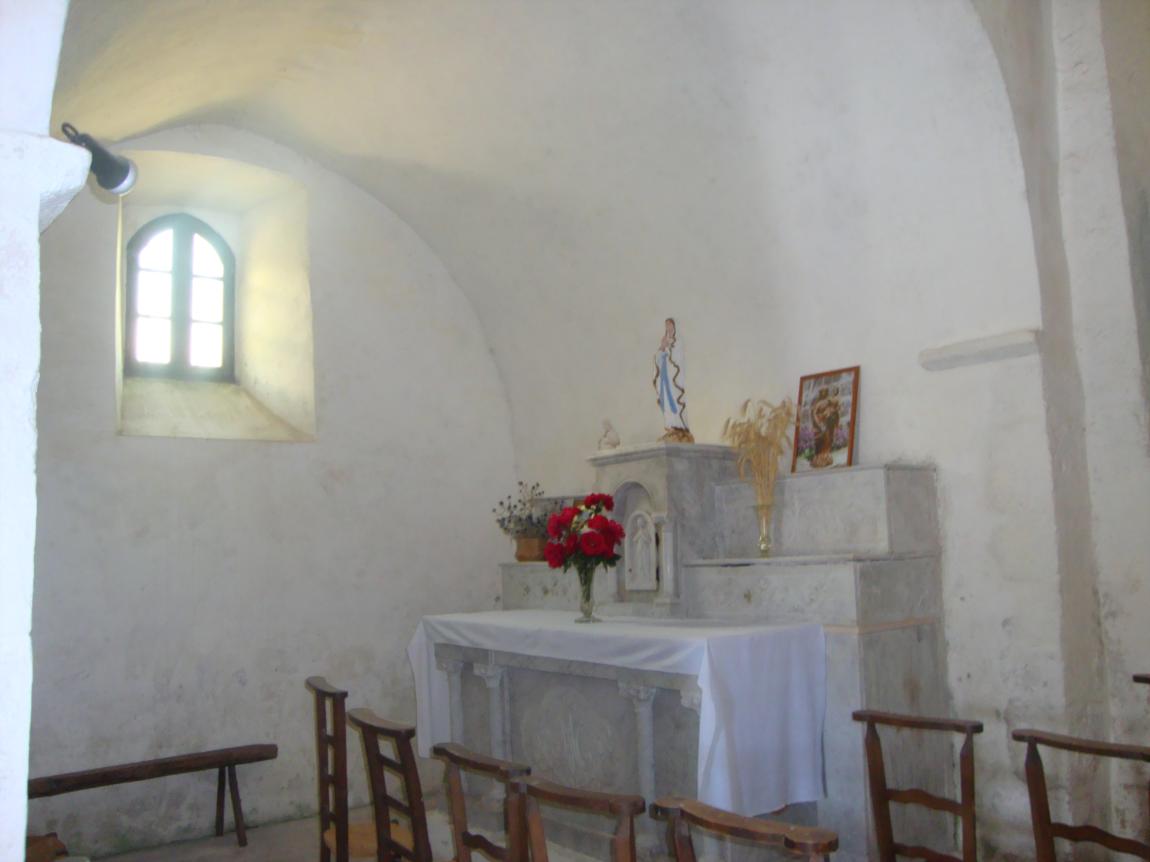
A very touching story: It has been said that since old times this statue (the Virgen Mary with the Child Jesus) was sculpted by a young shepherd of the Bas-Montbrun area in a cherry grove.
Desire when the village was elevated in 1284, the church, dedicated at Saint-Louis benefactor of Vivarais area, was inaugurated in 1297. During his long existence, the church has suffered a lot of reorganizations, the latest in 1995.
Travel back in time to Gallo-Roman Ardèche when you visit the museum and the archaeological site in Alba-la-Romaine!
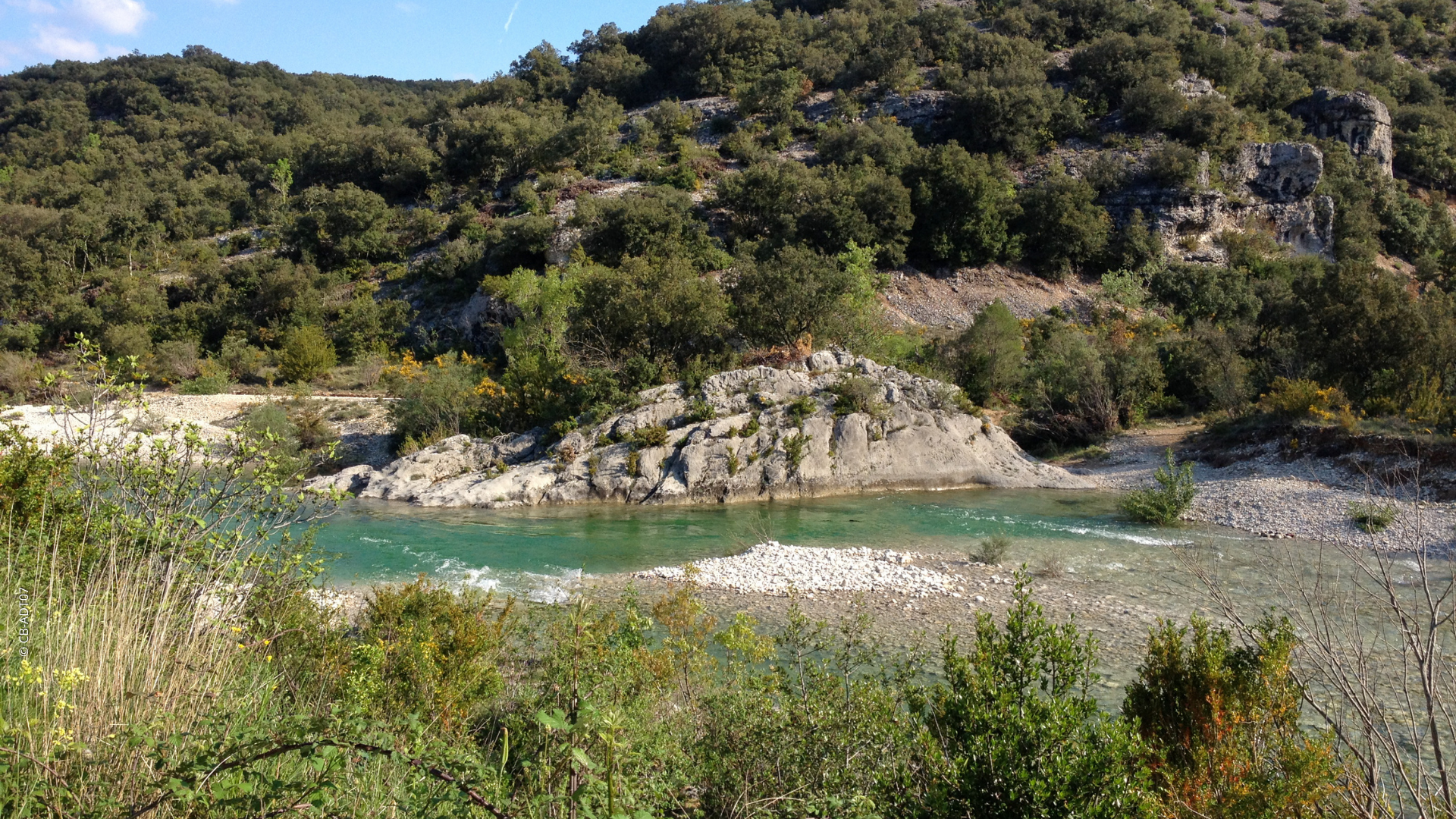
On the road to Vallon Pont d'Arc, the valley of Ibie runs for 30 km. It is born at the foot of the Coiron and ends at the entrance of the Ardeche River.
Lussas is a rich town for many reasons. If you are seduced by early history, you will not want to miss visiting the dolmen of Mias and the structures that created the fortification for the Helvensians on the plateau of Jastres.
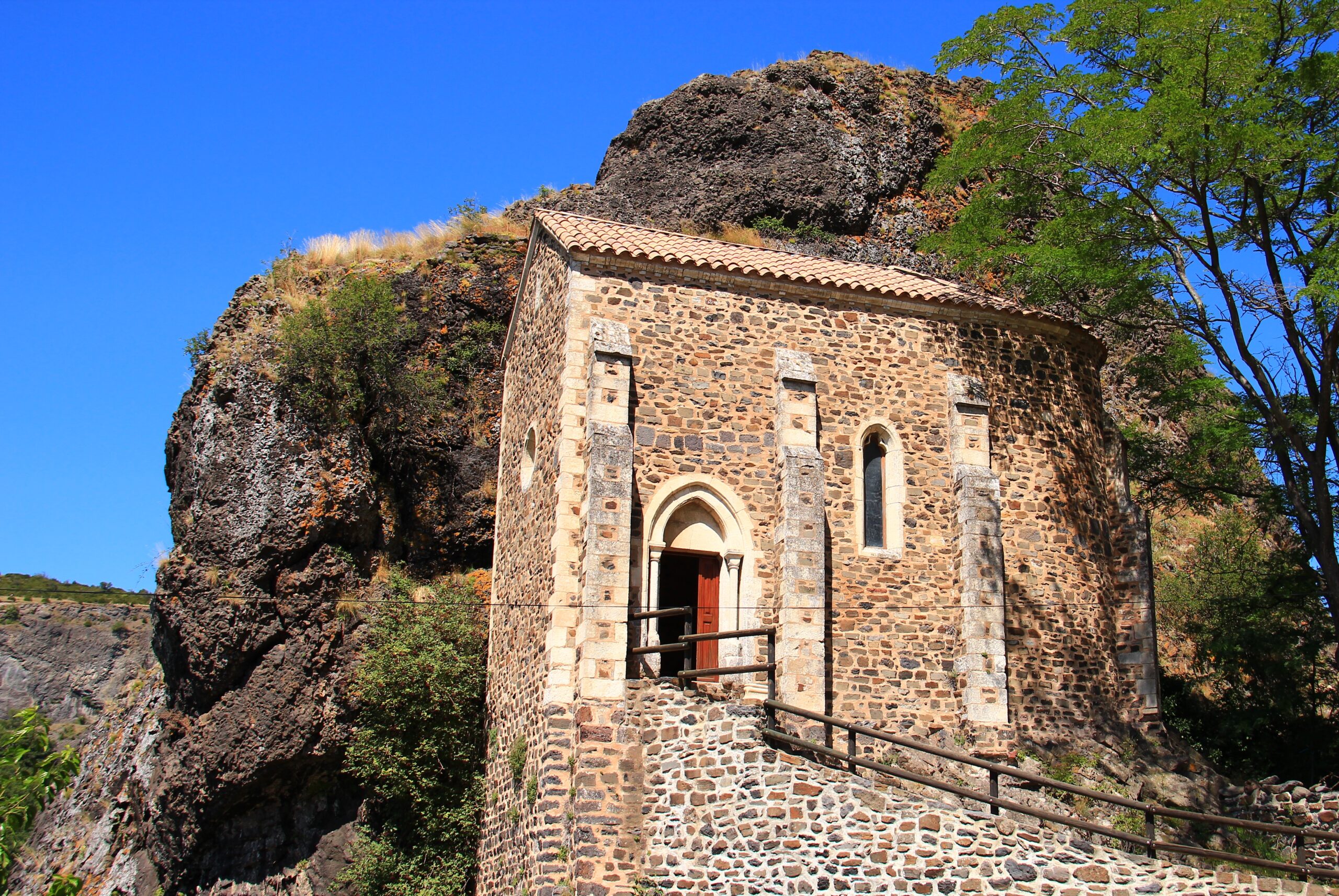
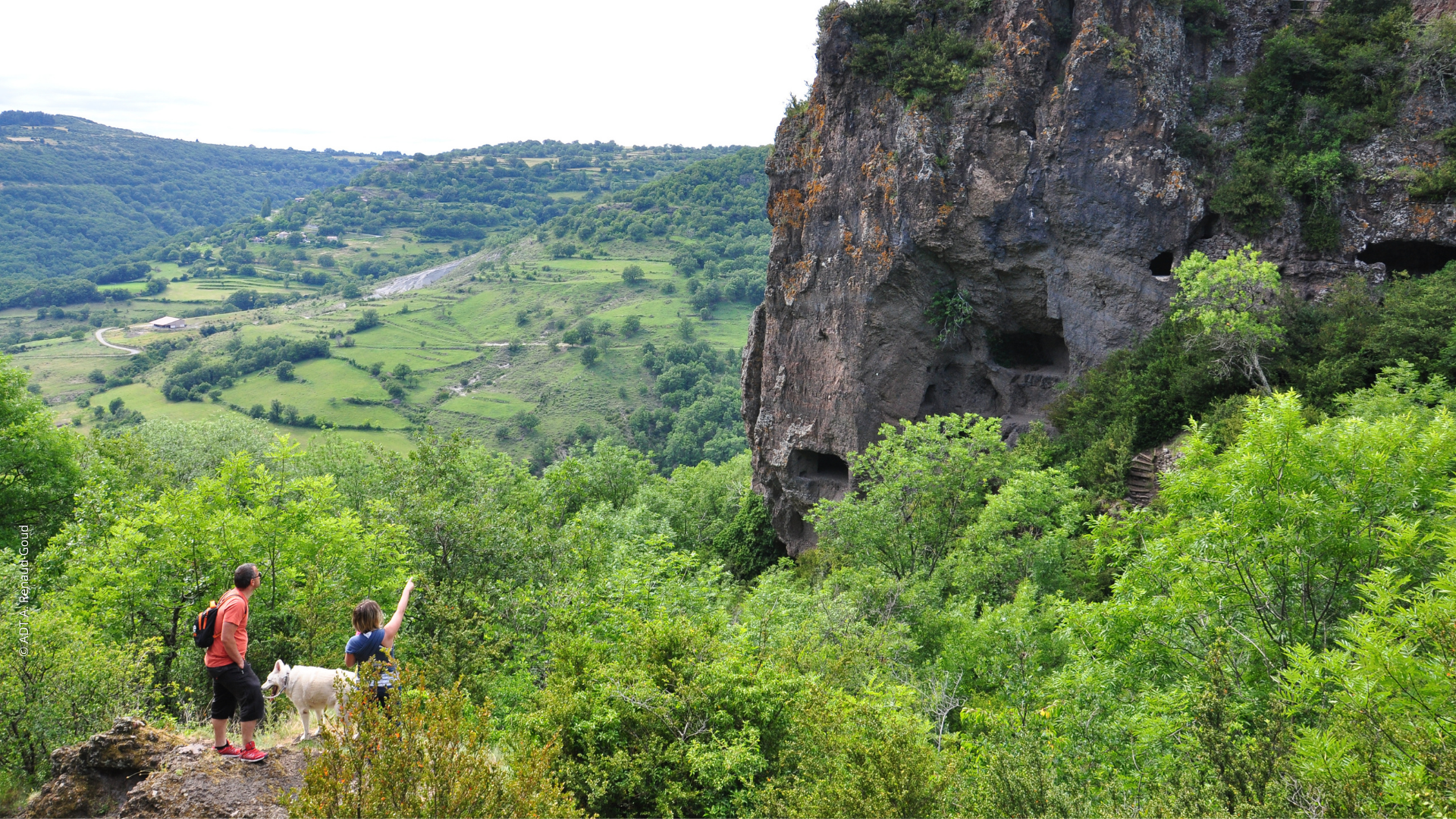
At the foot of the Coiron can be seen a basalt "neck" (mass of volcanic rock), which is surely one of the largest in Europe. In the village remains of its medieval age can be seen on its fortified gate.