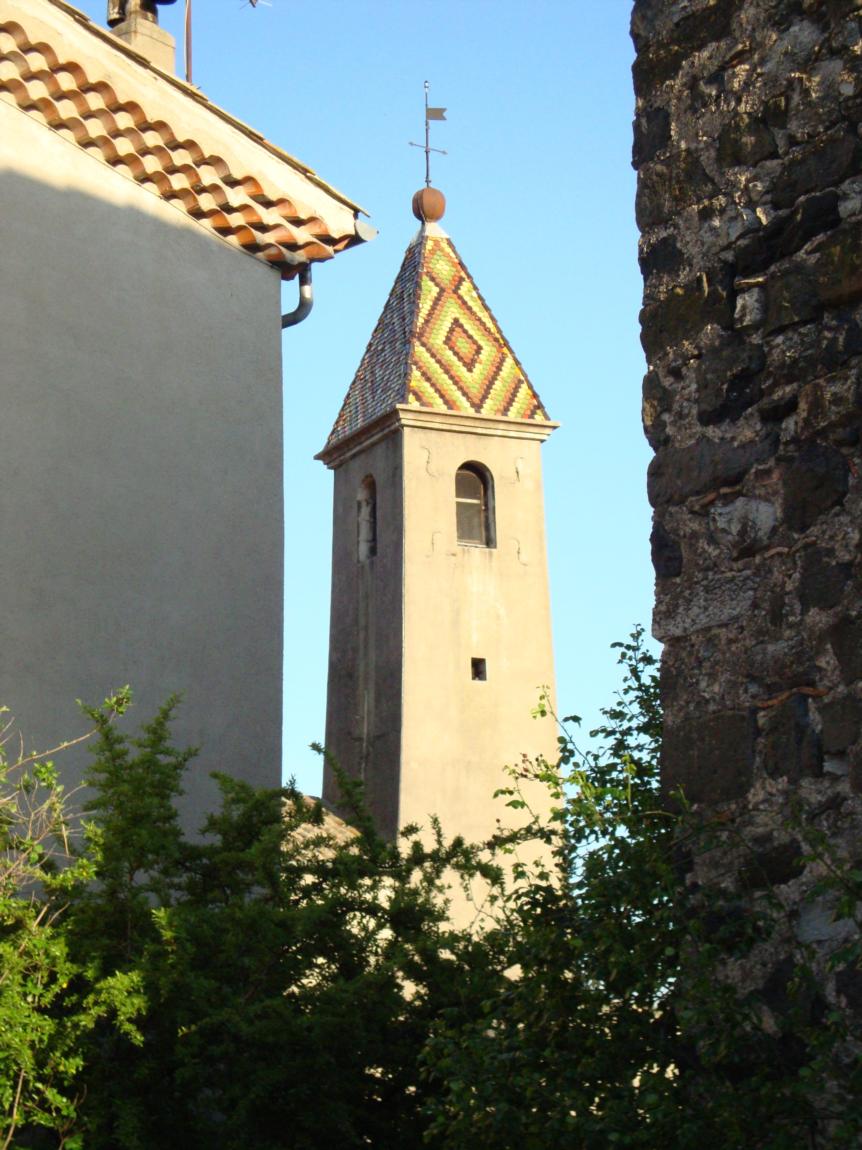
Church of Saint-Pons
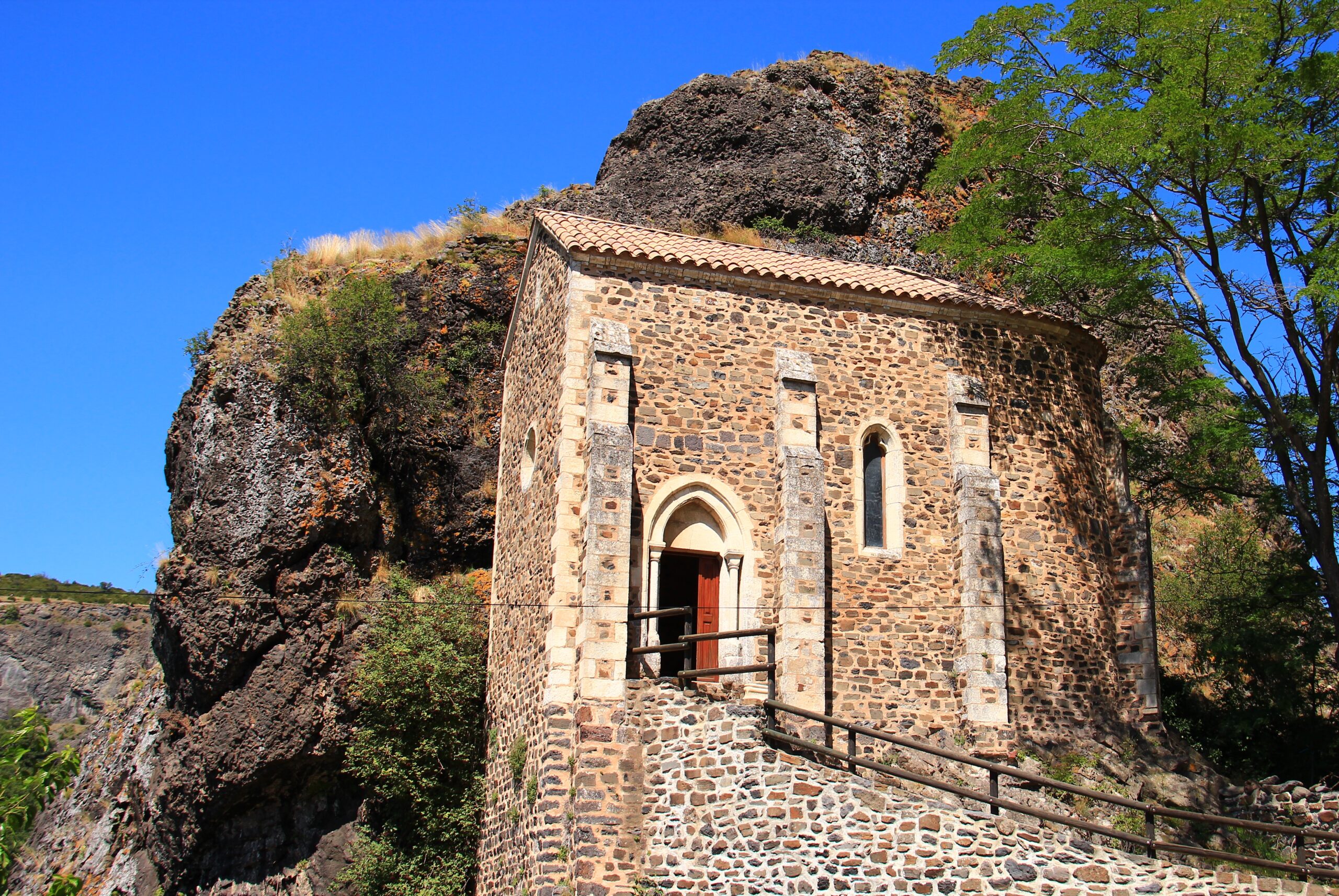
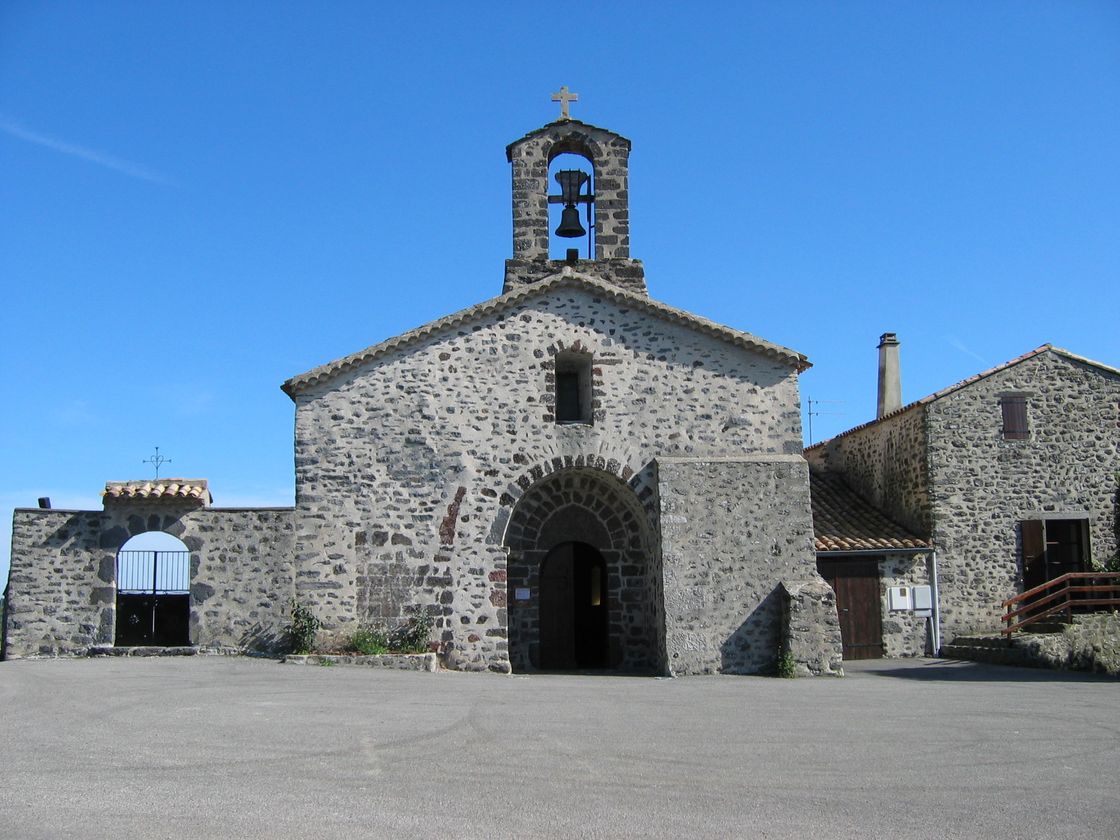
The church is one of the hundreds of places of worship of primitive Roman style built from the 11th century and has been modified several times, as often.
The church is one of the hundreds of places of worship of primitive Roman style built from the 11th century and has been modified several times, as often.
The chapel, coil up on a neck, has been built during the XIXth century to fight against the phylloxera (vineyards illness). In the future: laying out of the interior of the chapel, extension for the crossroads and parking.
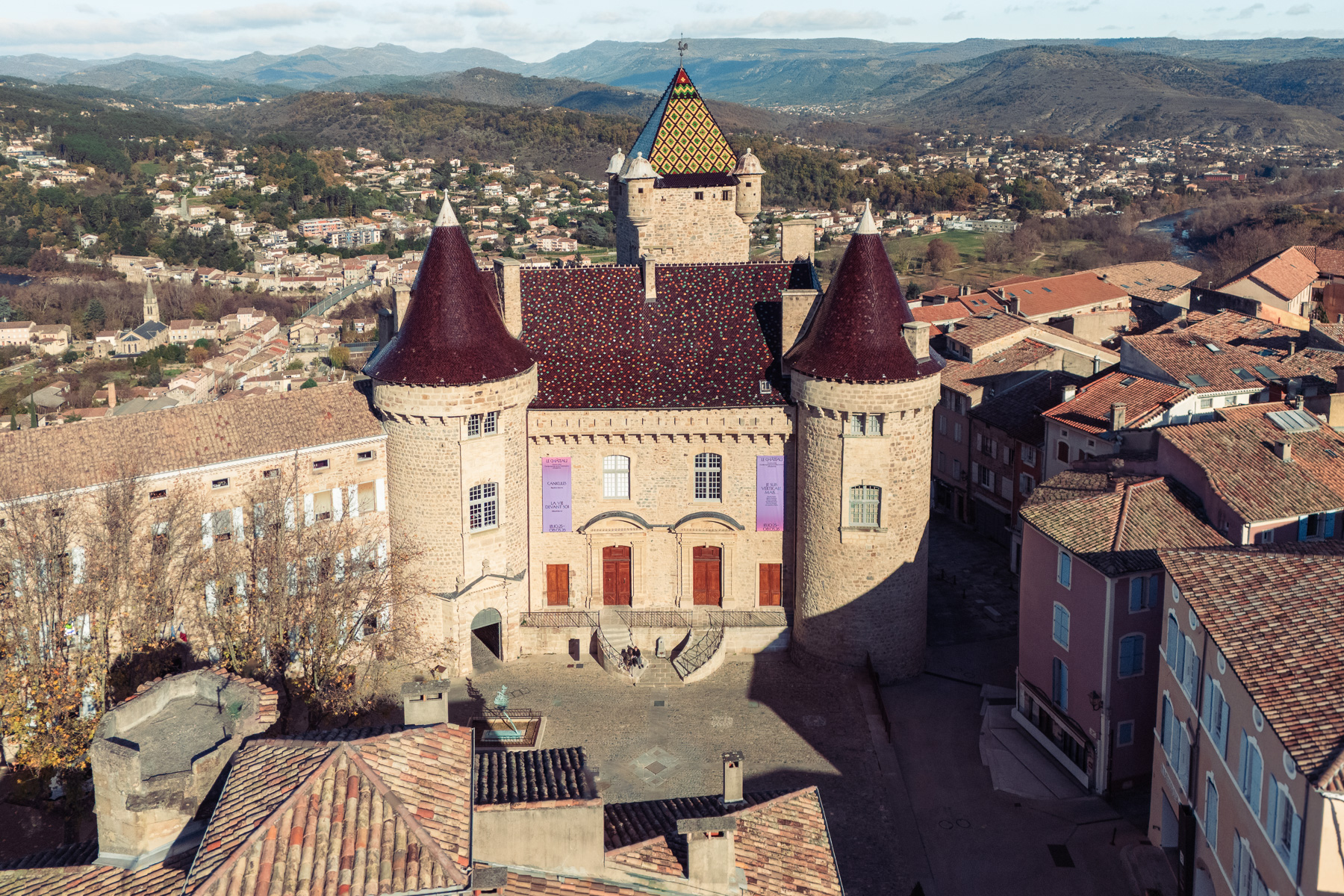
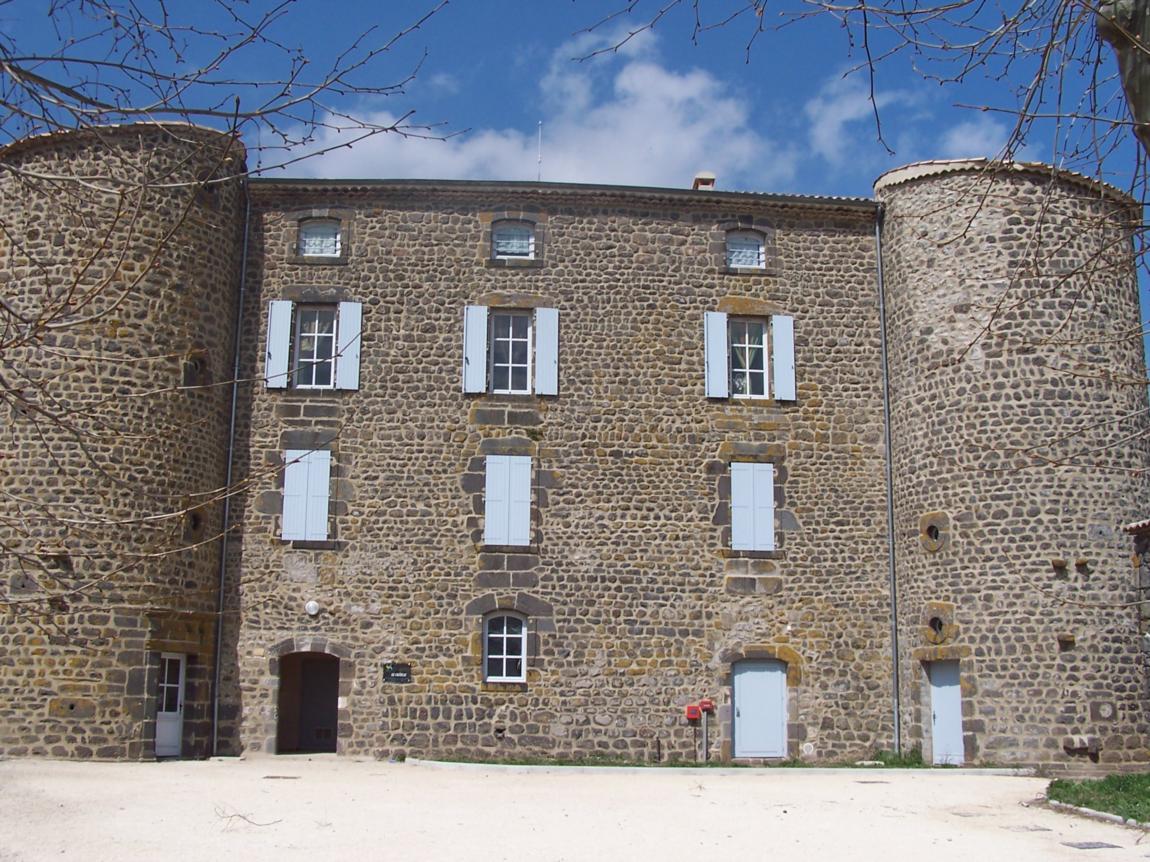
After seven years of renovation, Le Château became a Centre for Contemporary Art and Heritage in 2024. This prestigious site in the south of France invites you to discover its restored spaces through exhibitions, tours, workshops and events.
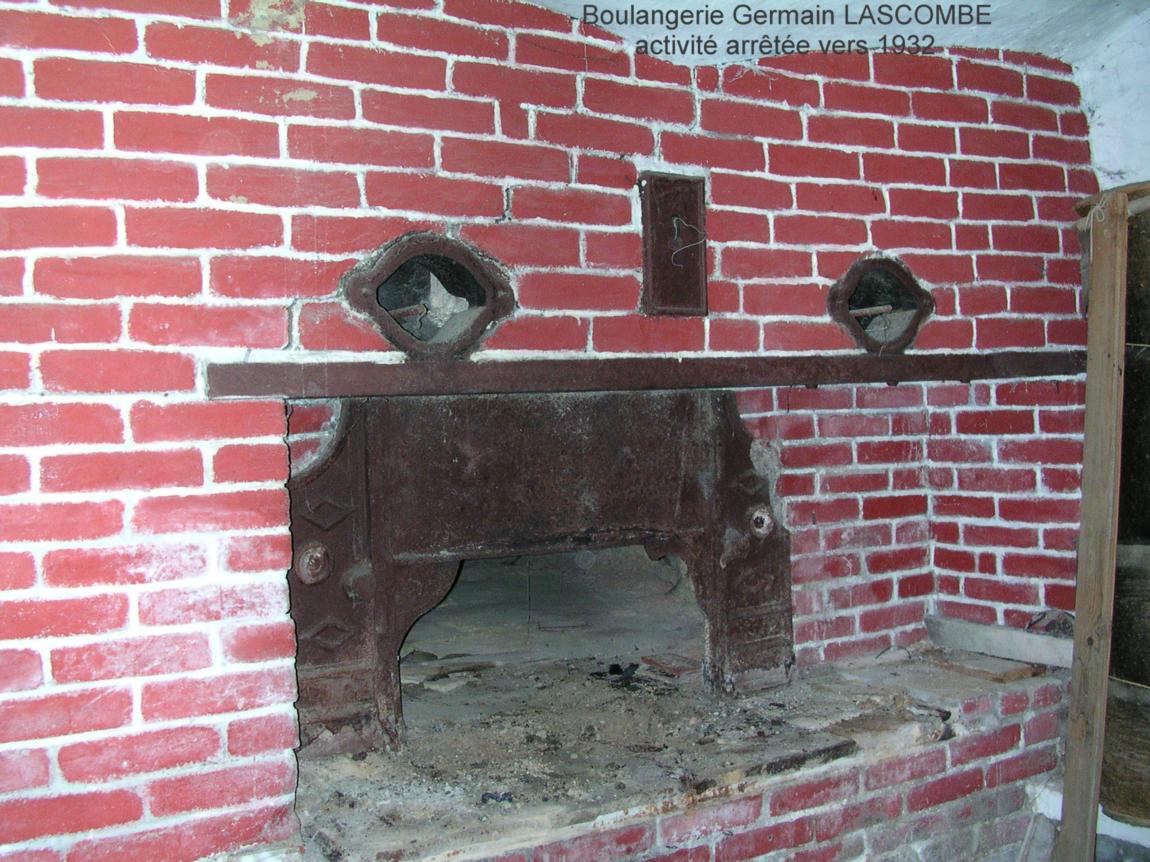
Saint-Maurice-d'Ibie possesses a lot of treasures like older bread ovens: Condamine Trois Gros, communal, Eldin and from Séveniers House.
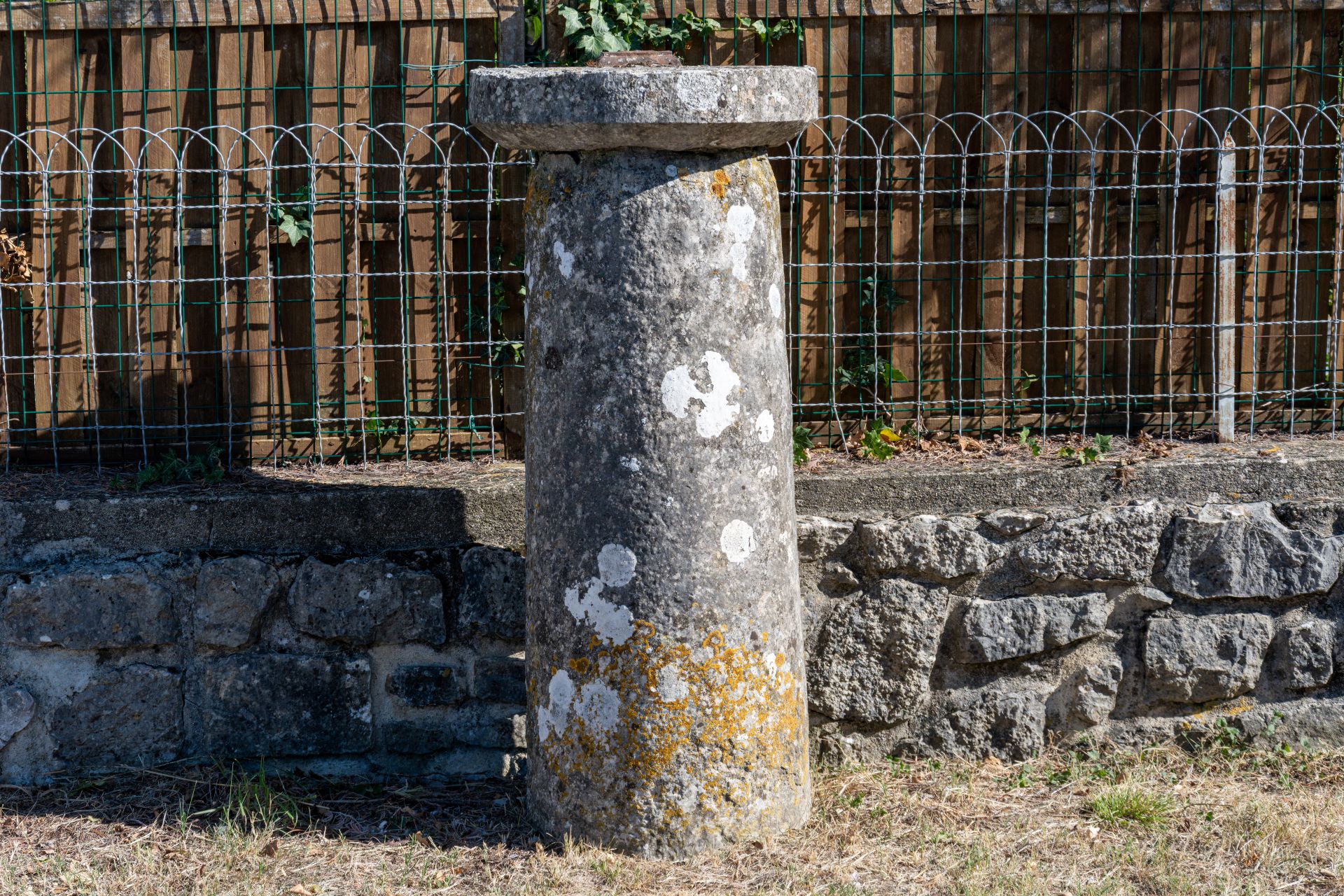
A "Borne milliaire" Gallo-Roman military milestone is situated at the crossroads of an ancient route that runs from Saint-Germain to Lavilledieu and part of the road to Alba-la-Romaine and Voguë.
At the southern end of the village you will find an exceptional archeological and geological site, called Balmes de Montbrun. The name Balmes d'Montbrun or burned mountain, evokes its volcanic origins.
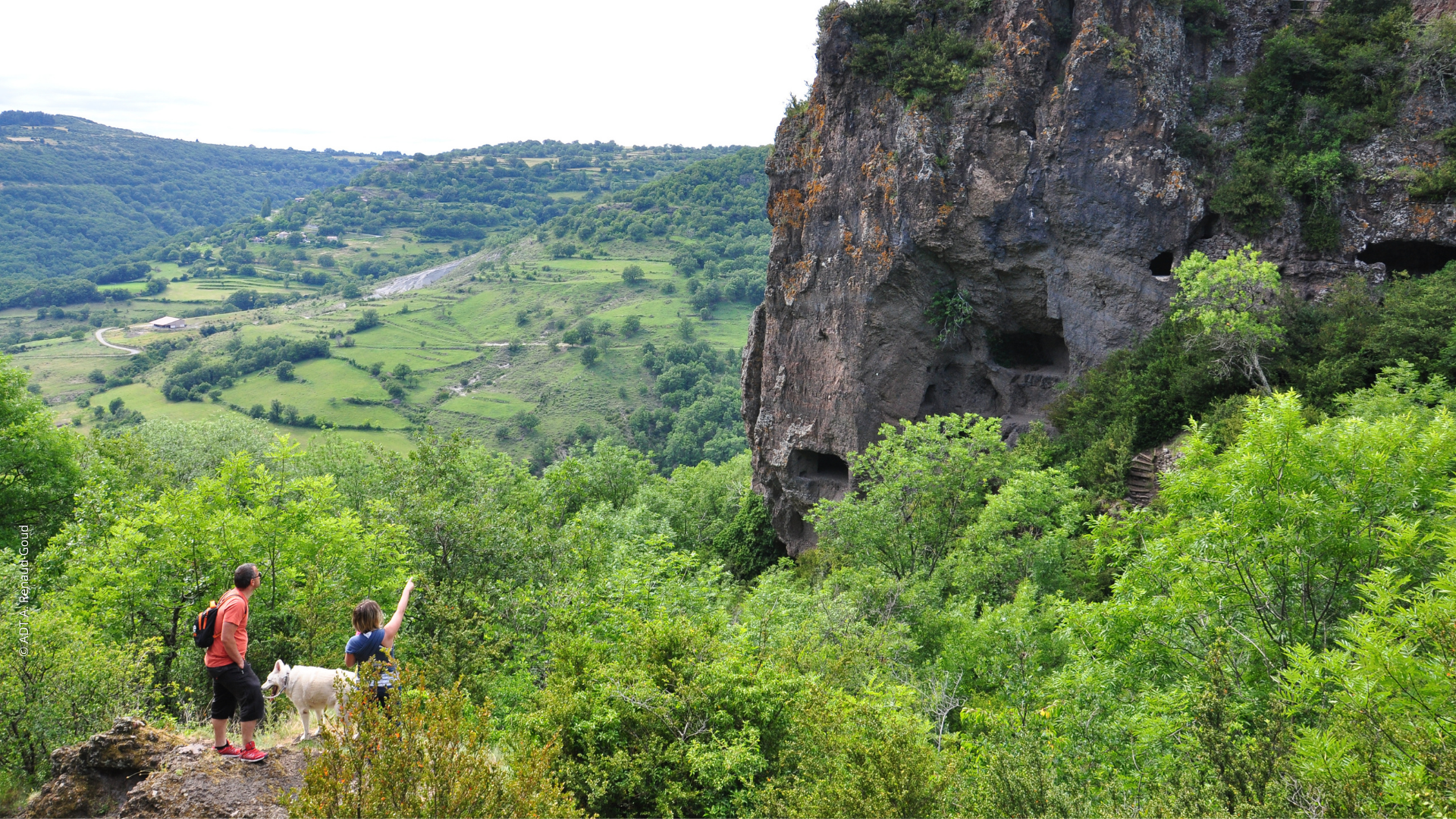
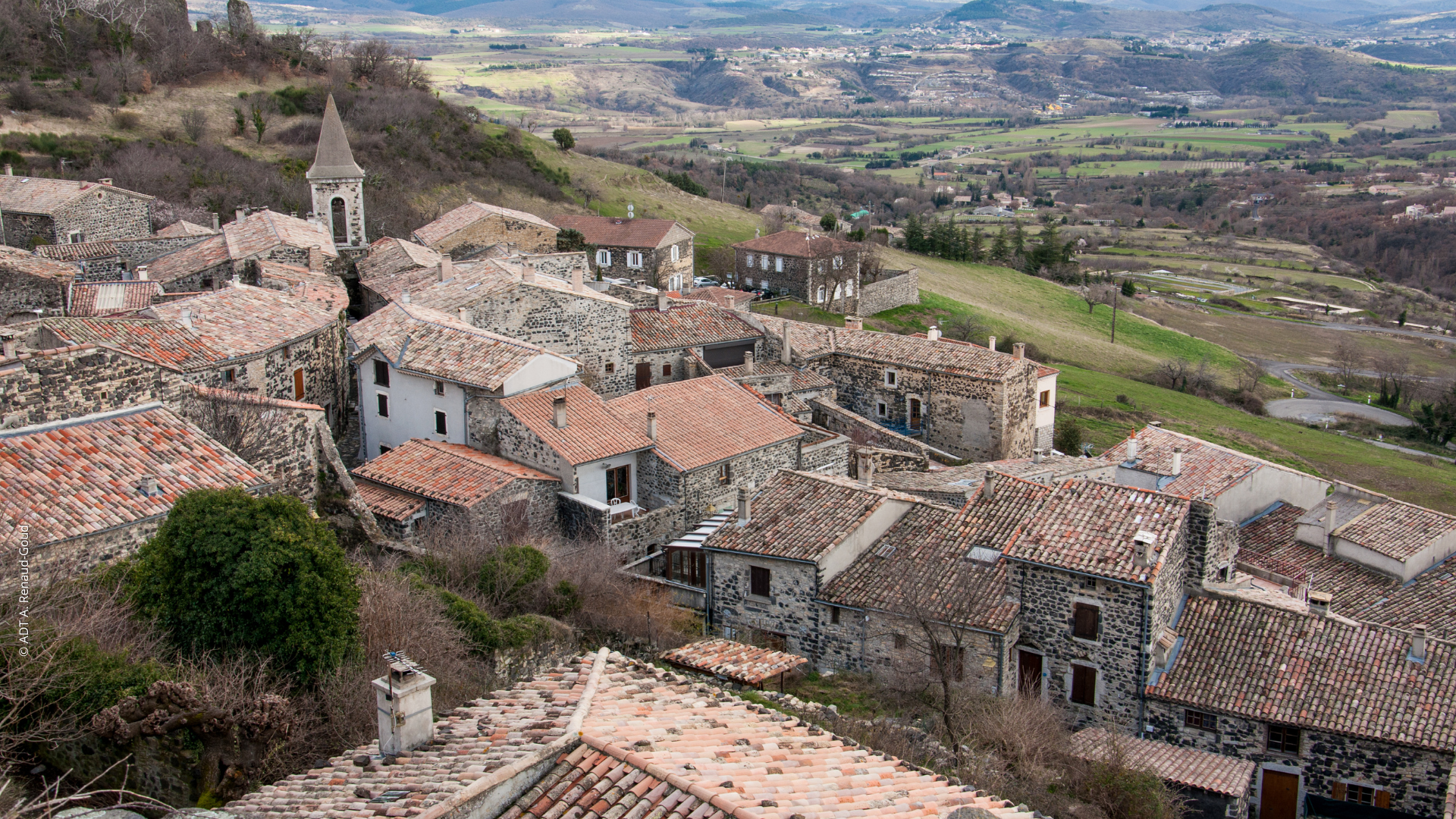
Darbres is a picturesque village nestled alongside the cliffs of the Coiron plateau. There are traces of life dating to the Neolithic age and writings that document the existence of Darbres dating the 10th century.
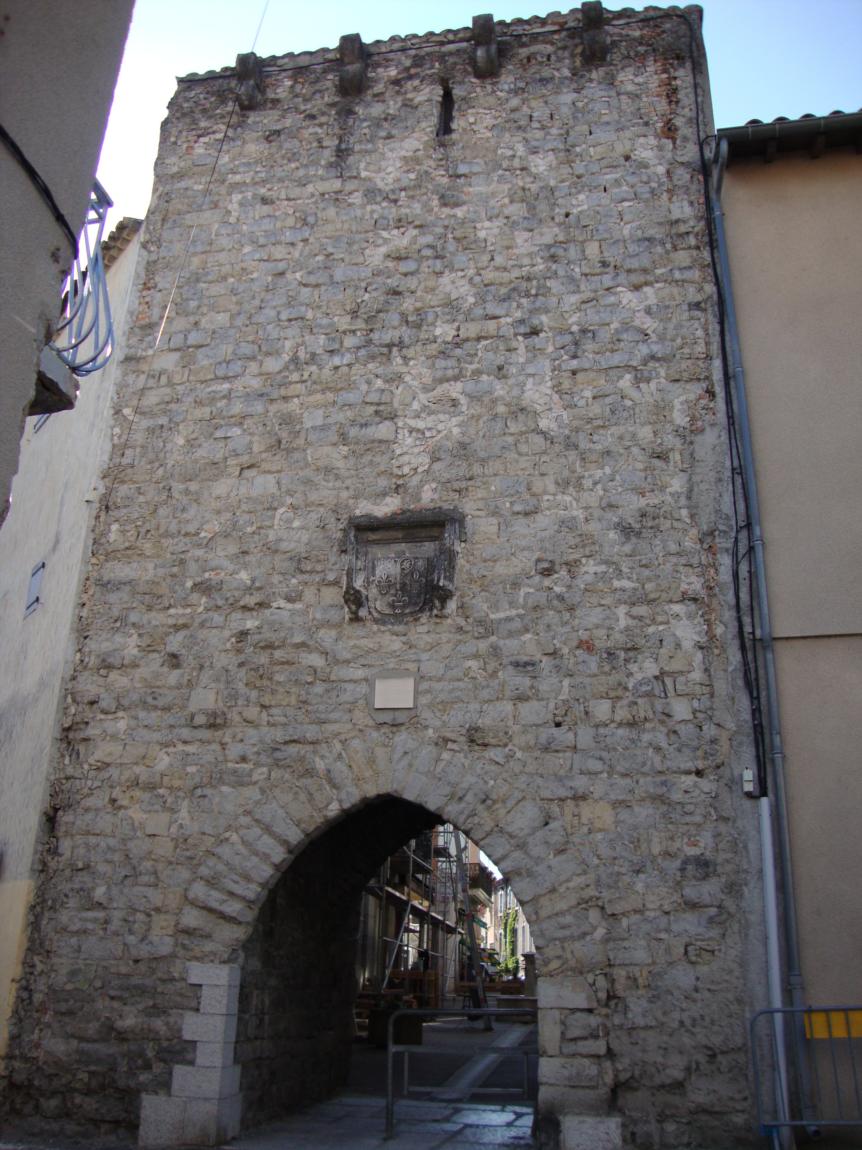
Discover the remains of the Bastide Royale, in the heart of Villeneuve de Berg The Bastide Royale was created in 1284 by a deed of betrothal between Philippe III le Hardi, King of France, and the Abbot of Mazan. This established royal justice over the whole of the Bas Vivarais and built a new town with its ramparts, its corner towers, its war gate or gate of honour adorned with the coat of arms of the town, its royal house, now the town hall (under the courtroom you can visit the prisons). Ancient sundials can be seen in the streets of the village.
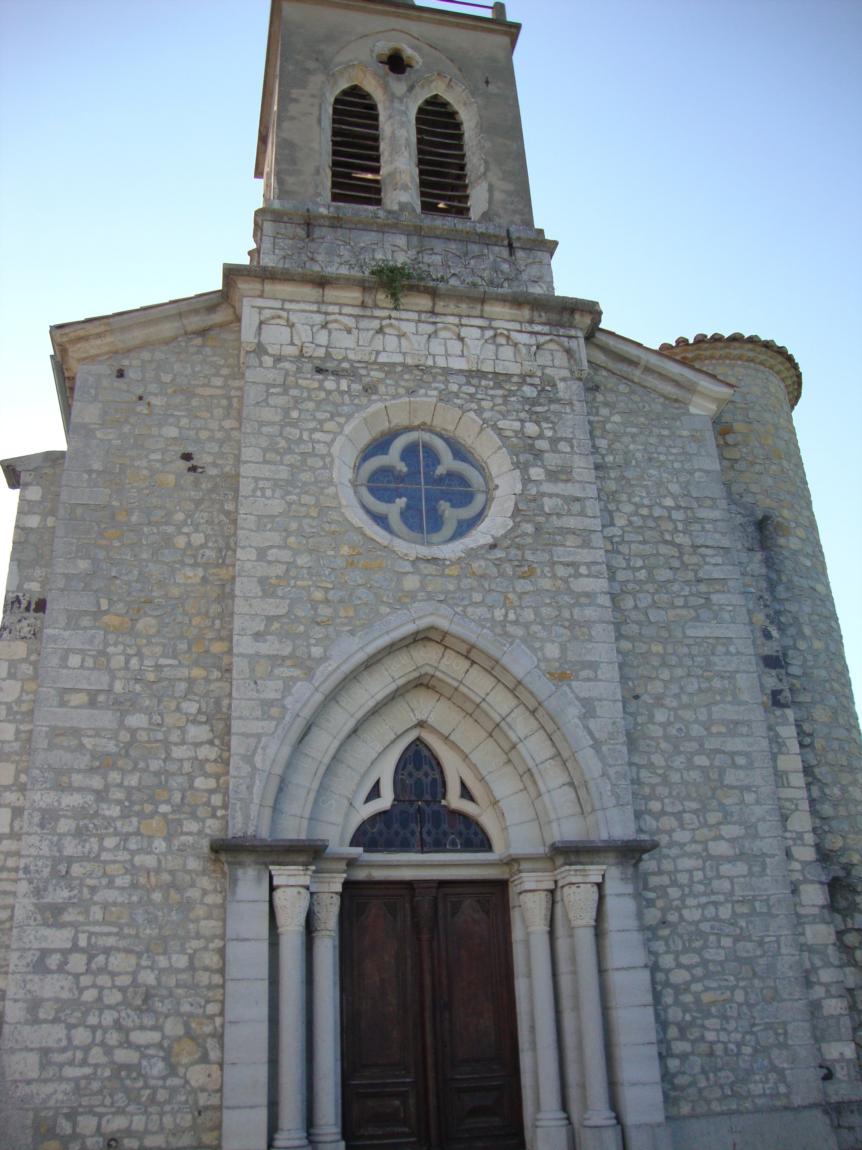
A 19th century church. Built in 1854, it is believed that the monstrance was given by Princess Eugénie. The church was one of the first to sanctify a chapel in honour of the Virgin Mary.
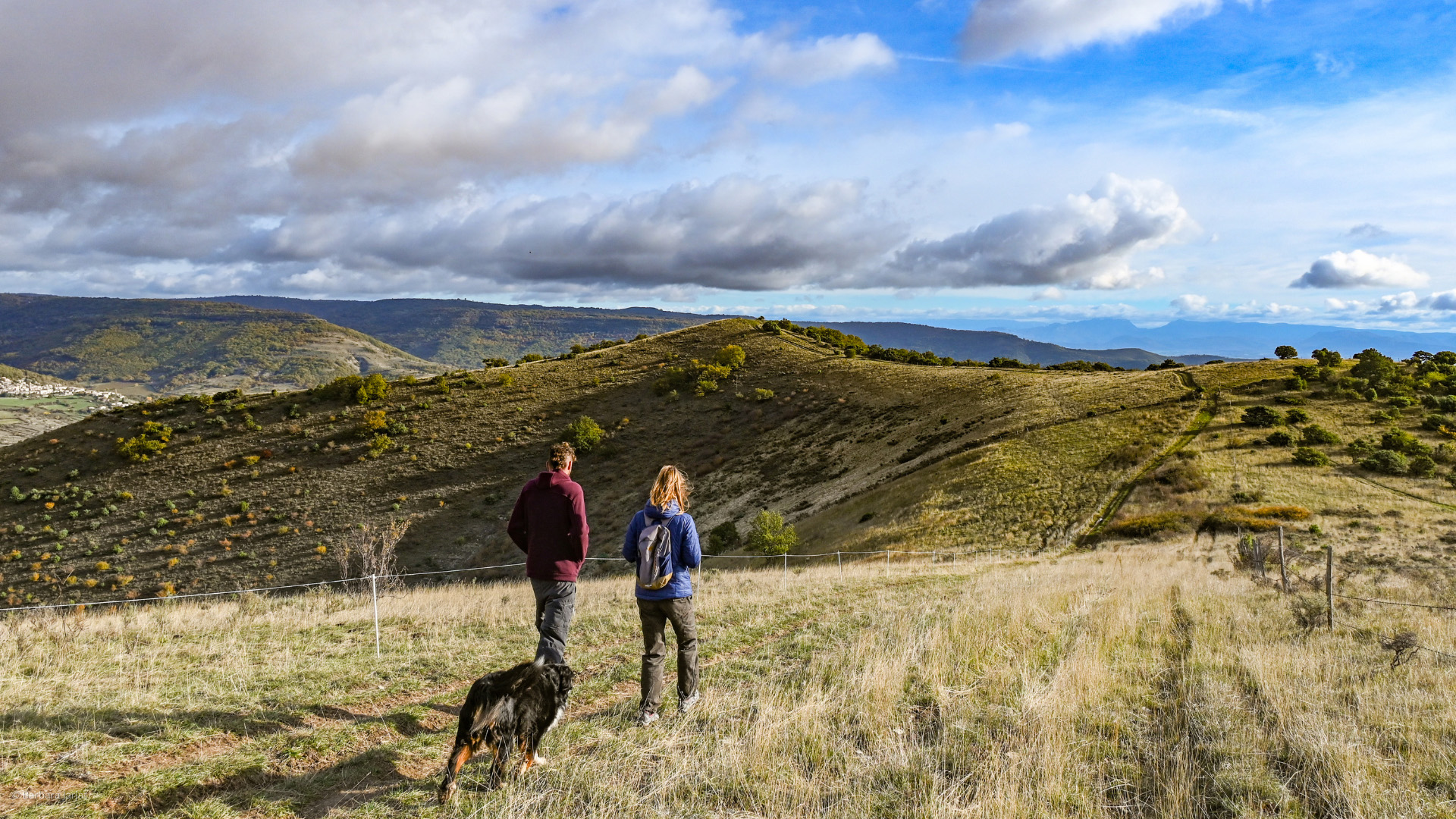
Berzeme is located in the plateau of the Coiron. You leave the landscape of valleys and cliffs to discover lush green fields with green pastures and hedgerows.