Church of Saint-Gineys-en-Coiron
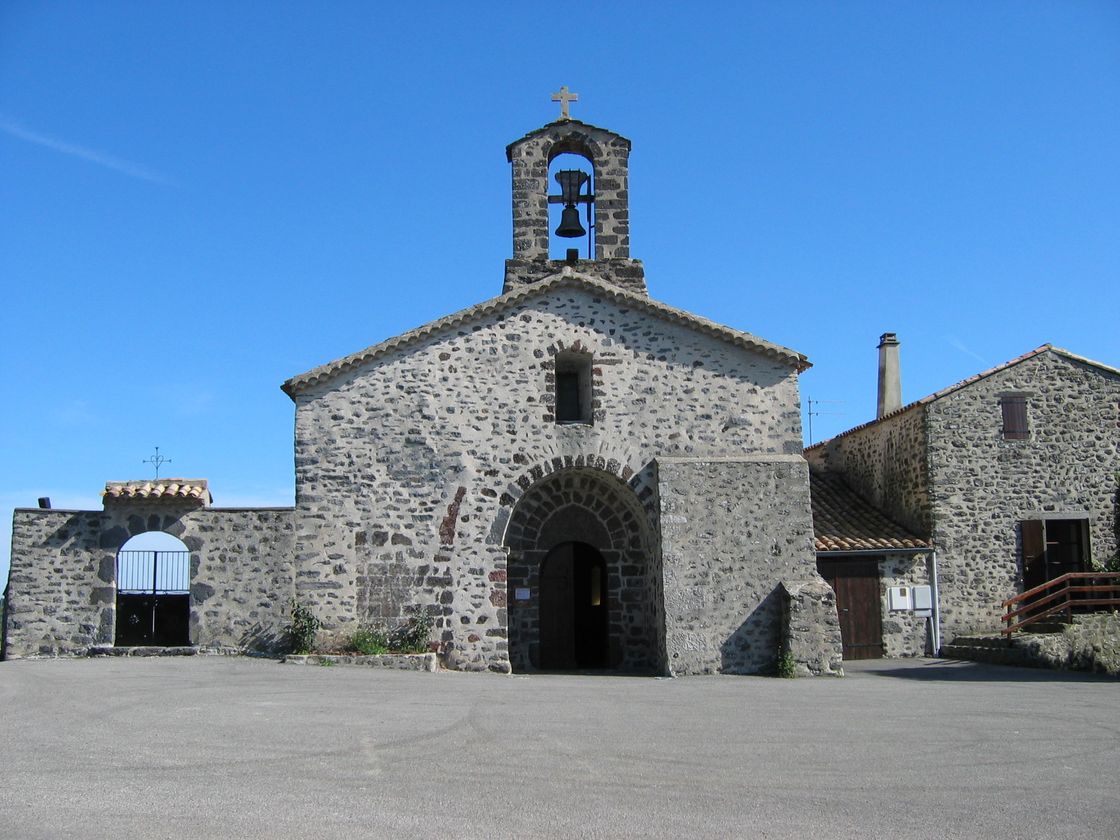
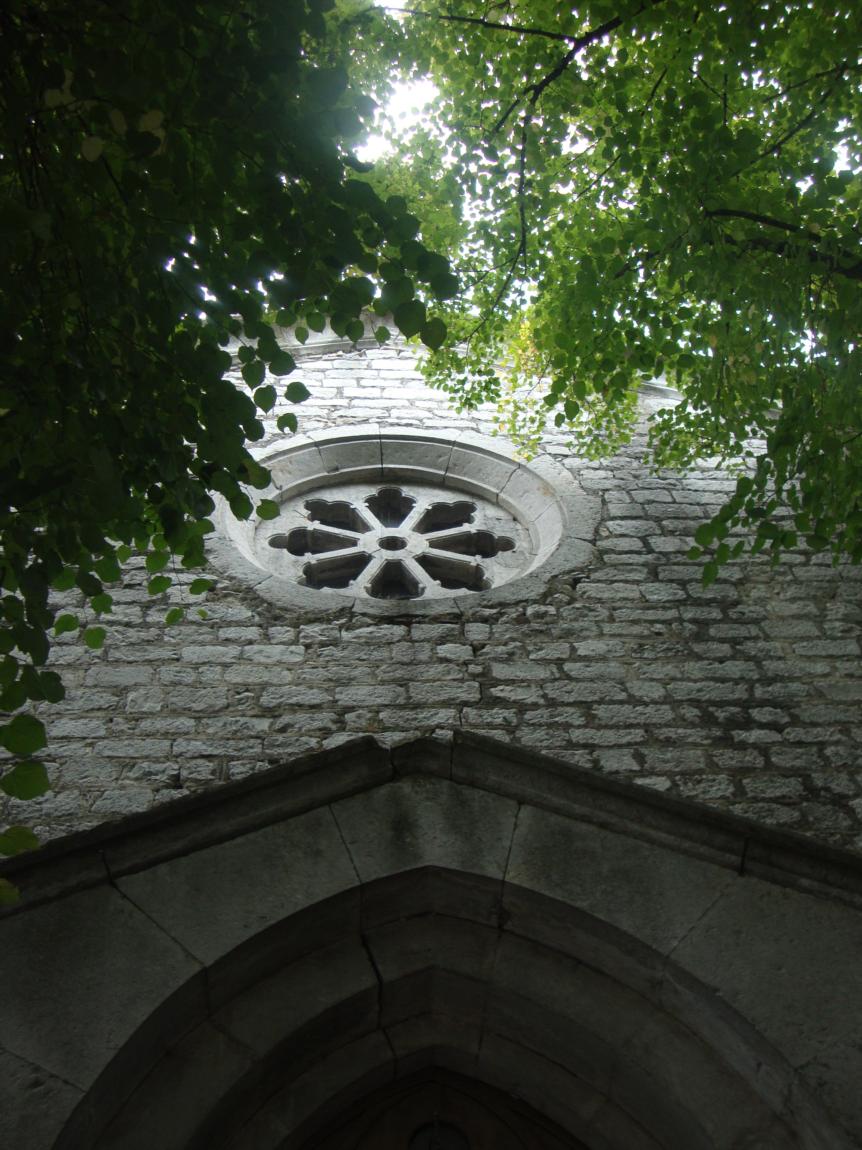
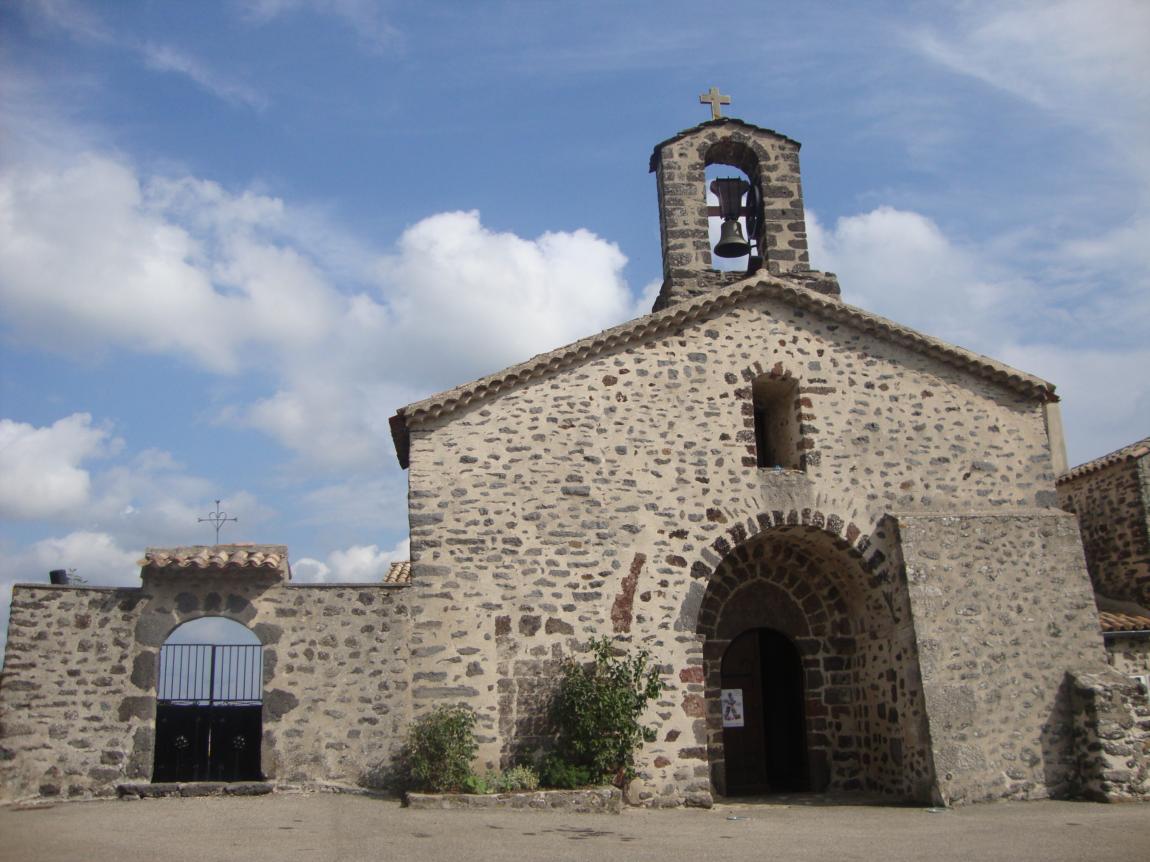
The church is part of the National Registry of Historical monuments. Dédicate to Saint-Genest, the church is believed to date the 11th or 12th century. It has been built on an older place of worship.
The church is part of the National Registry of Historical monuments. Dédicate to Saint-Genest, the church is believed to date the 11th or 12th century. It has been built on an older place of worship.
The church is one of the hundreds of places of worship of primitive Roman style built from the 11th century and has been modified several times, as often.
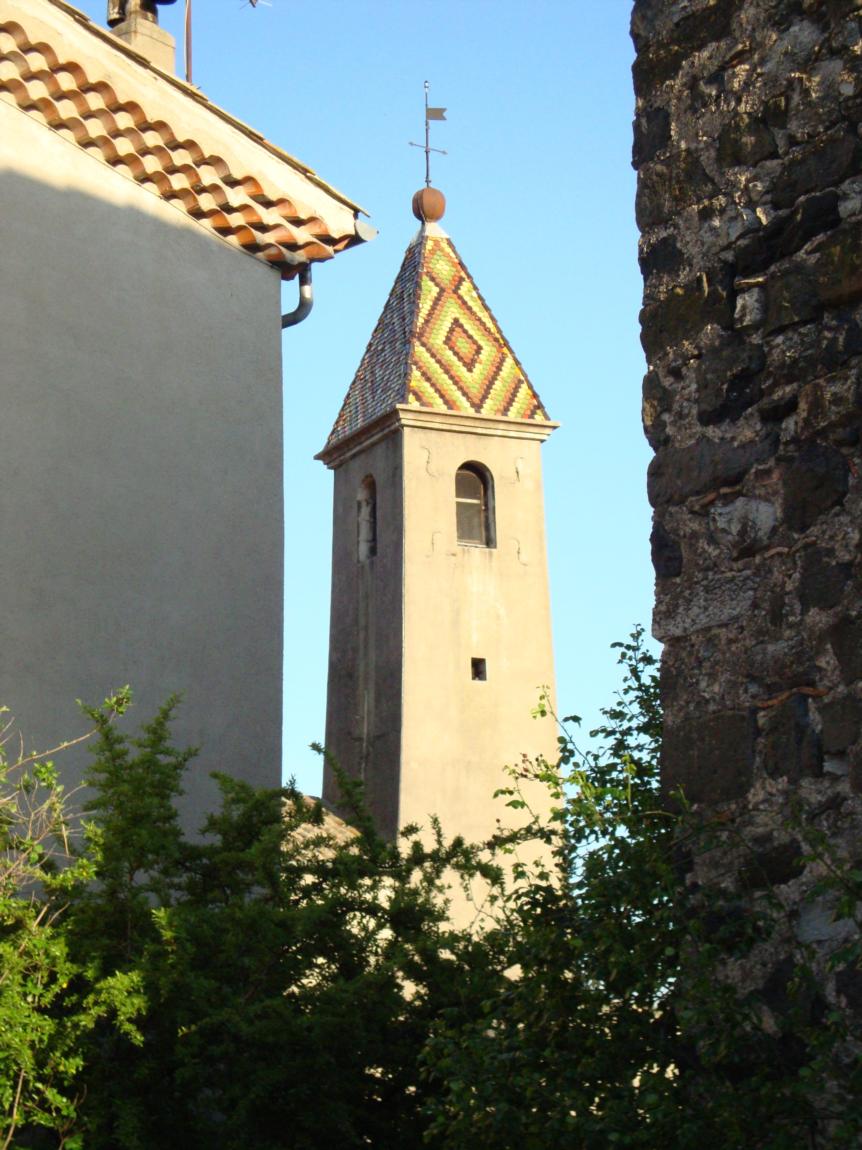
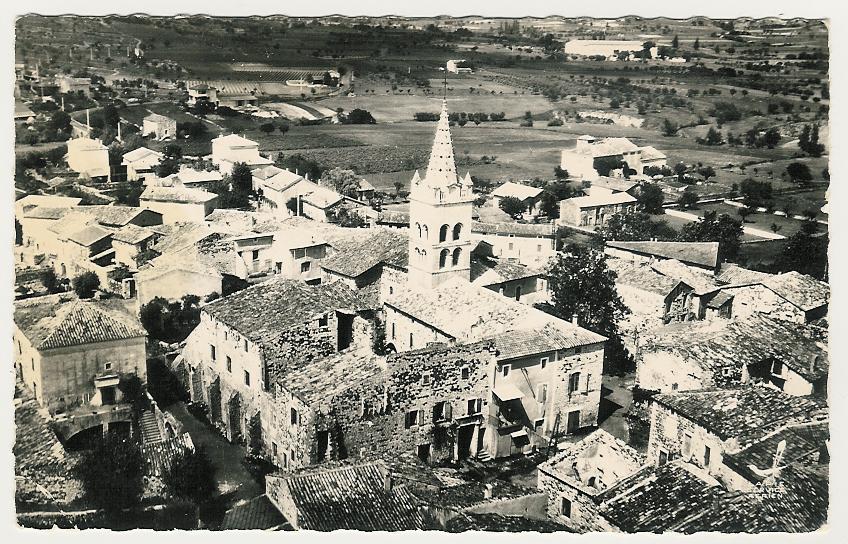
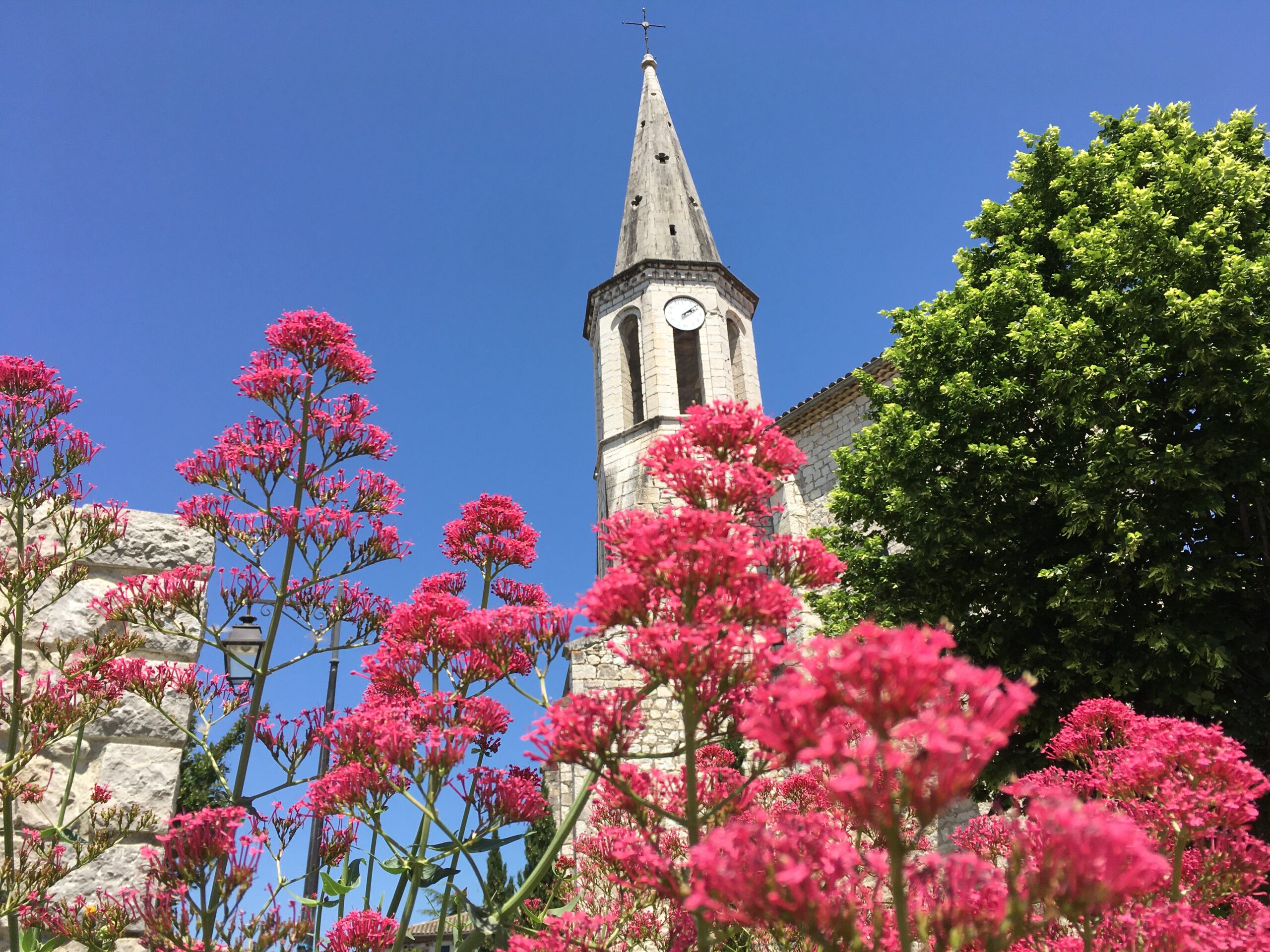
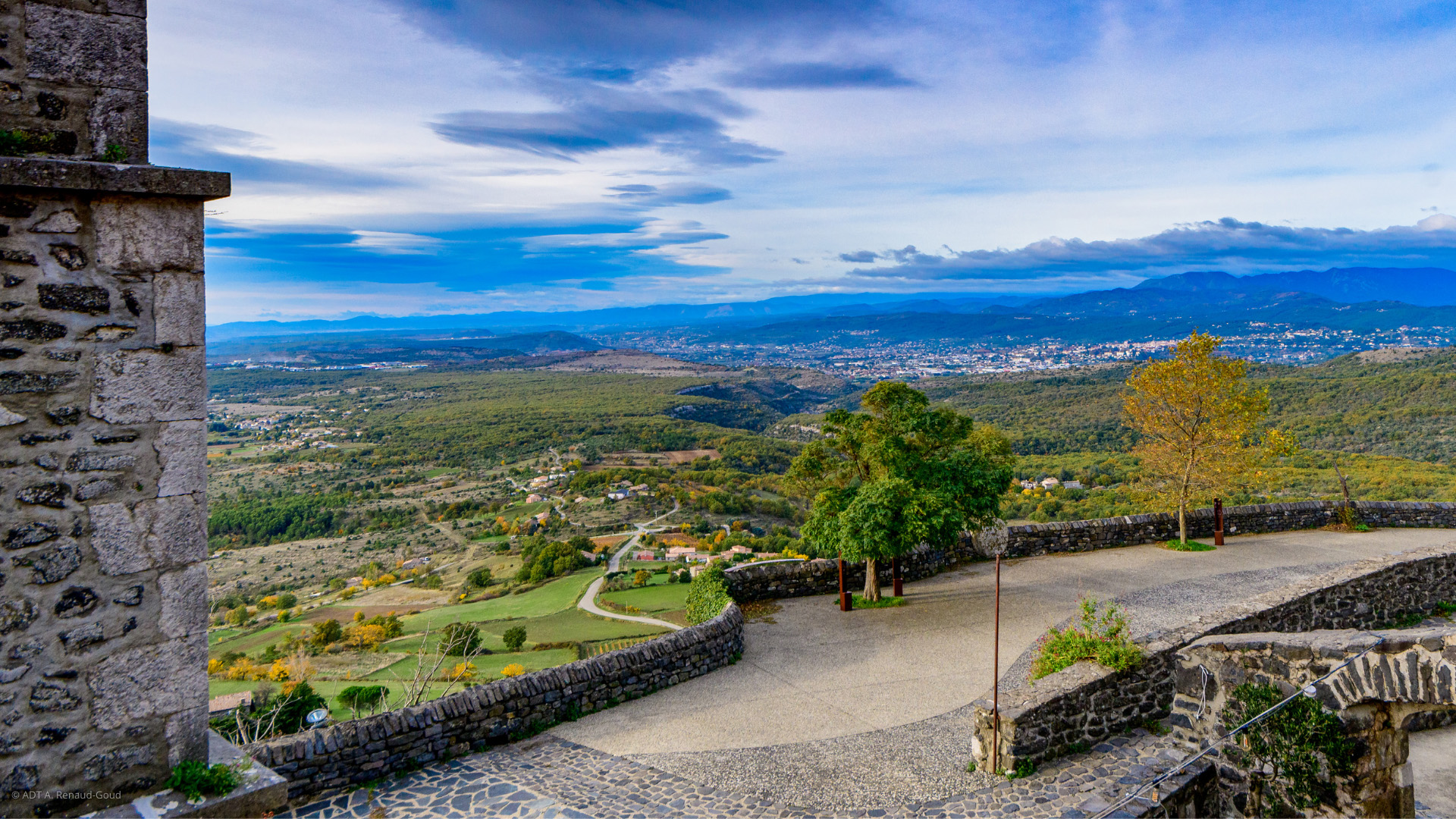
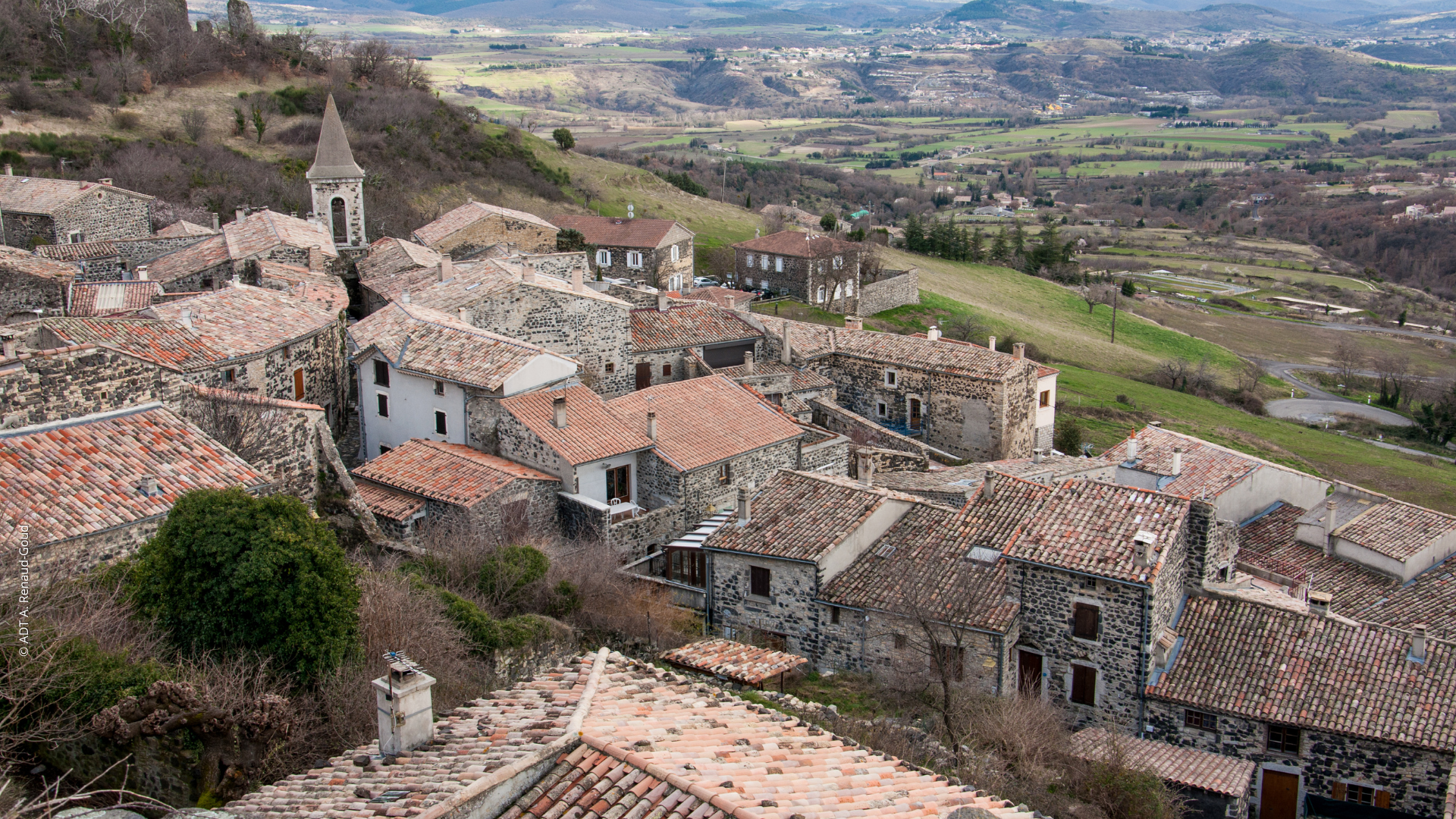
From the national roadway 102, the village can be seen with its elegant bell tower, tiled rooftops and the beautiful silhouette of its convent. There are traces of Neolithic life, noting the ancient presence of man in Lavilledieu.
At the southern end of the village you will find an exceptional archeological and geological site, called Balmes de Montbrun. The name Balmes d'Montbrun or burned mountain, evokes its volcanic origins.
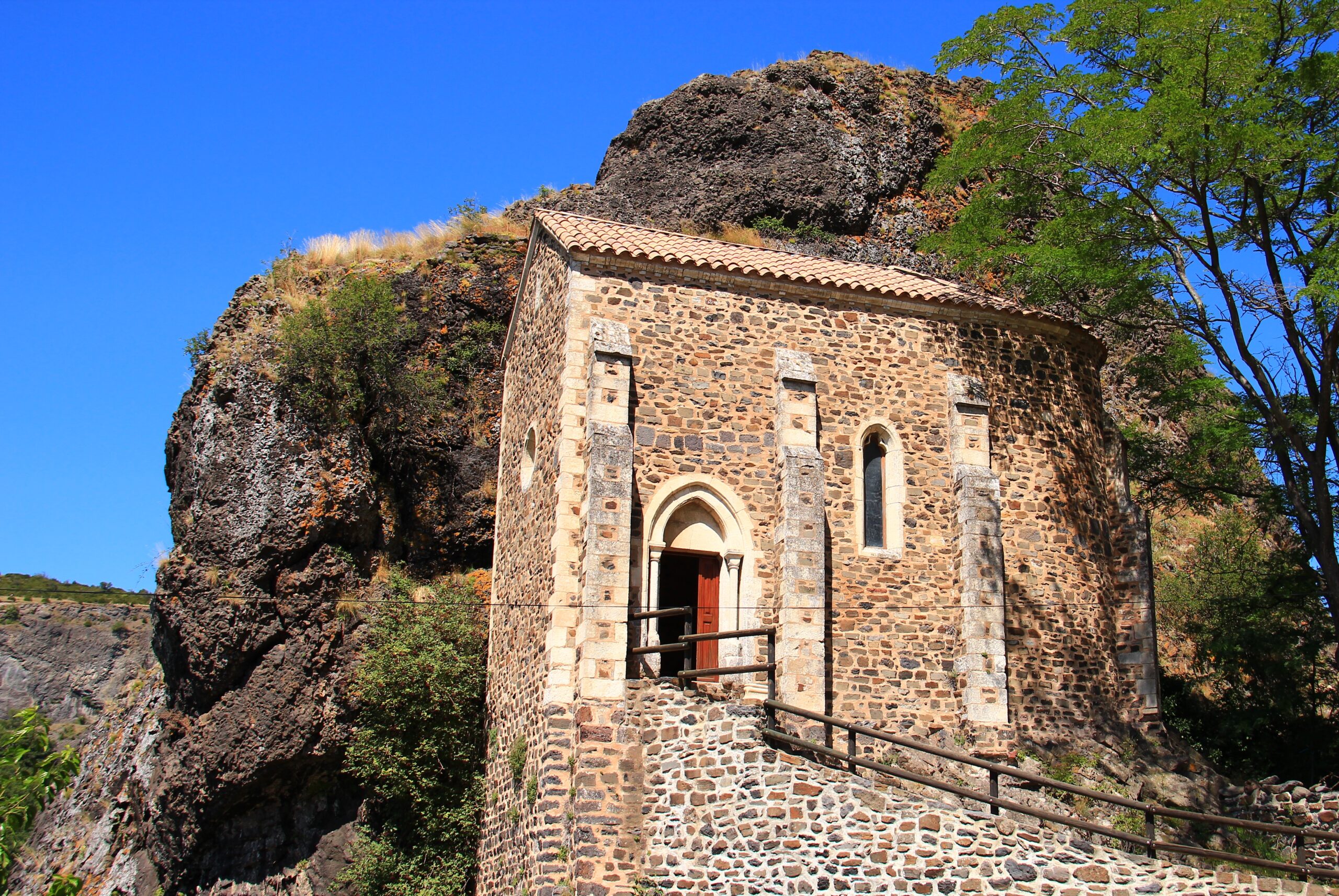
The chapel, coil up on a neck, has been built during the XIXth century to fight against the phylloxera (vineyards illness). In the future: laying out of the interior of the chapel, extension for the crossroads and parking.
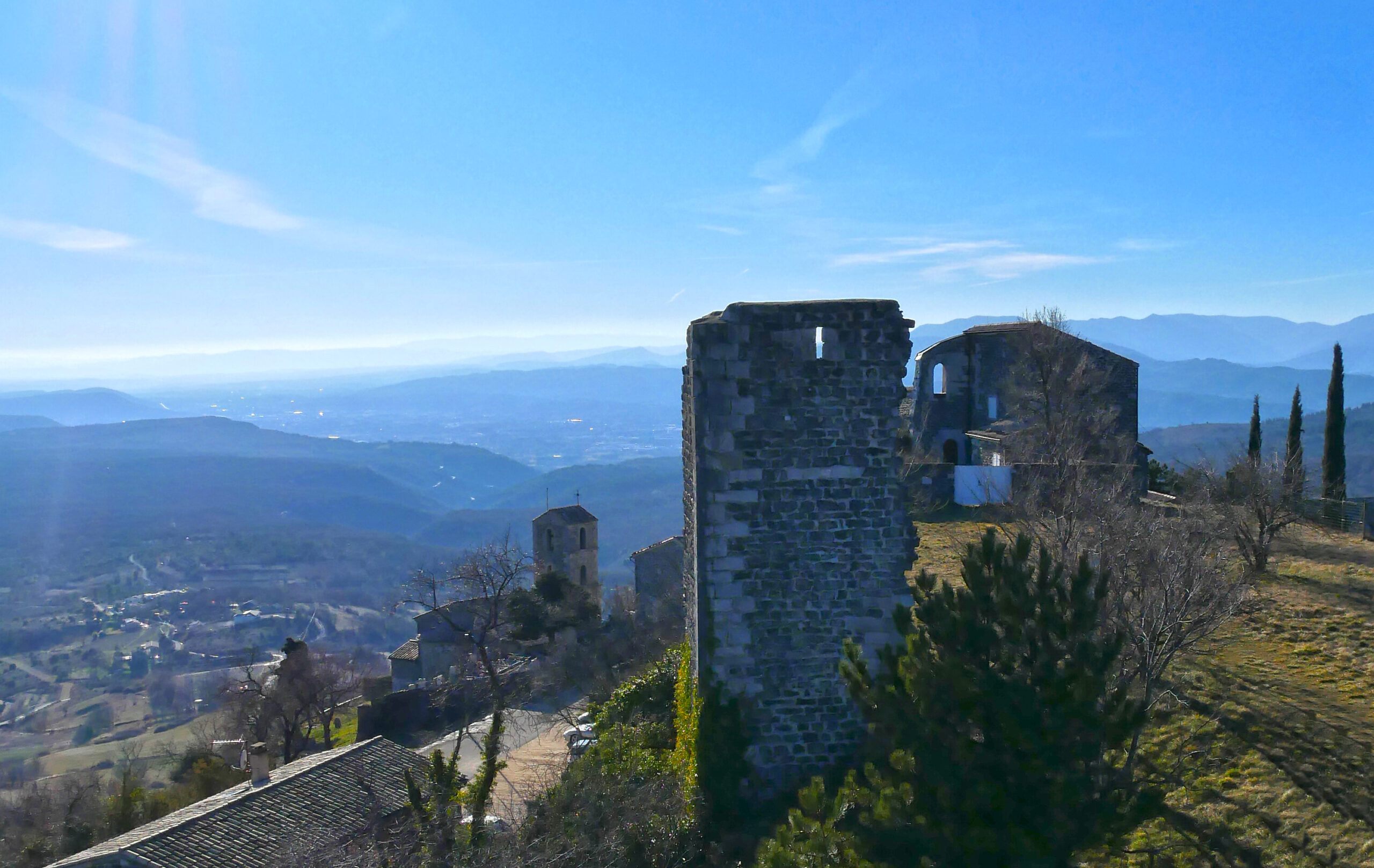
This tower is the only thing that remains of the castle.
The church has a strange bell tower: a 9m high statue of Our Lady of Lourdes. It is said that it would have been built in thanks for having spared the village from an epidemic of cholera which had struck the neighboring villages.
It was the one of the oldest and most important fiefdoms of the Barons of Aps. Located at the foot of the Coiron, the village was fortified by the 14th century. You can imagine the form of the village by tracing the remnants of the defensive wall.
Lussas is a rich town for many reasons. If you are seduced by early history, you will not want to miss visiting the dolmen of Mias and the structures that created the fortification for the Helvensians on the plateau of Jastres.